
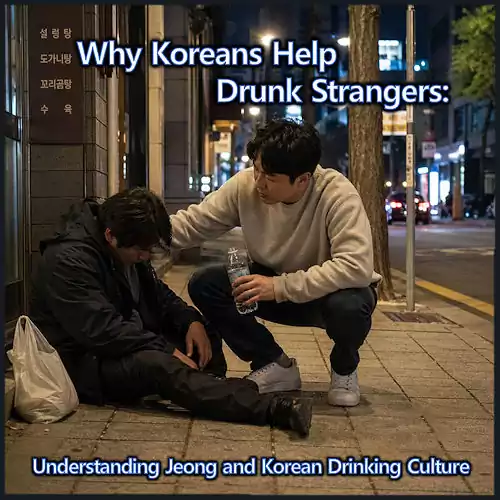
You might wonder why someone would stop for a drunk stranger at night. In Korea, this scene happens more often than expected. Understanding why Koreans help drunk strangers reveals a deeper cultural pattern that visitors rarely notice at first glance.
I have observed Korean nightlife for years and documented real street interactions. My experience with local communities shows how consistent this behavior is across cities.
1. Why Koreans Help Drunk Strangers in Everyday Situations
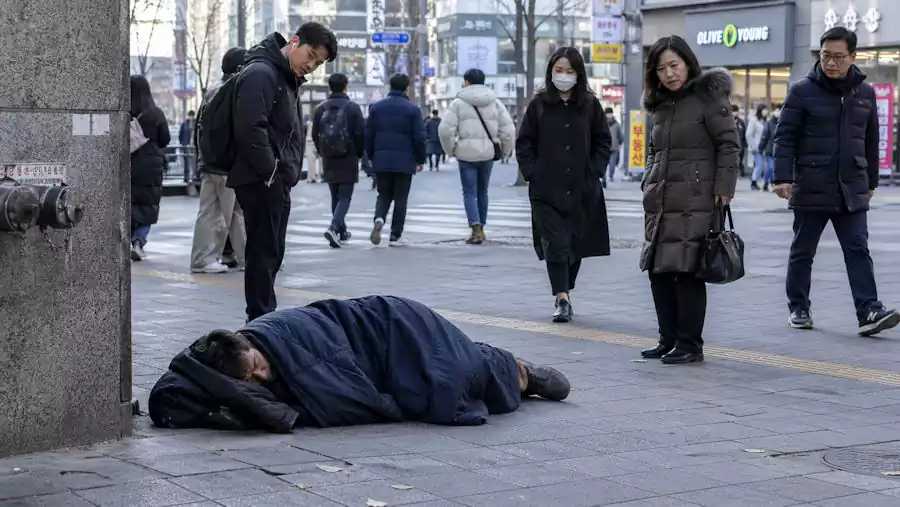
- Many travelers ask why locals help drunk people when they see someone passed out.
- This question often comes from unfamiliar social norms. In Korea, people do not always ignore vulnerable individuals.
- Instead, they feel a subtle responsibility. This explains why strangers are often helped in Korea even without prior connection.
- The behavior may look unusual, but it follows a cultural logic.
2. The Social Background Behind This Behavior
- To understand why people in Korea care for drunk strangers, you need to look beyond surface actions.
- Social harmony plays a key role in daily life. People grow up learning to notice others.
- This awareness leads to small but meaningful actions.
- Over time, these actions become normalized. That is one reason why Koreans help drunk strangers in public spaces.
3. Cultural Emotion That Connects Strangers
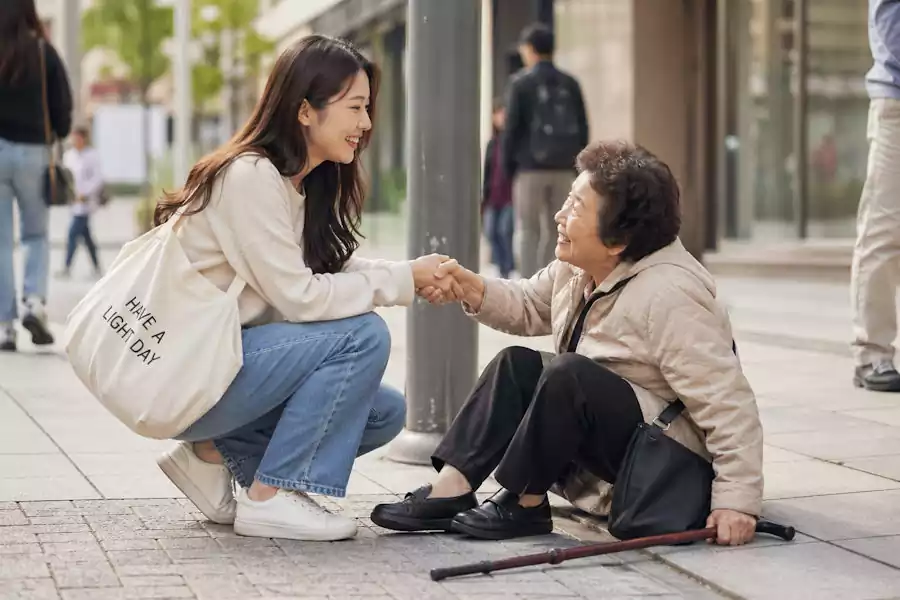
- The idea of Jeong explains why Koreans look after intoxicated individuals more clearly, and you can explore this concept further in Jeong in everyday Korea and Korean social life.
- Jeong is not a simple emotion. It develops through shared experiences and social exposure.
- Even without direct relationships, people can feel it.
- This emotional layer makes strangers seem less distant. As a result, why Koreans help drunk strangers becomes easier to understand.
4. How Group Drinking Shapes Behavior
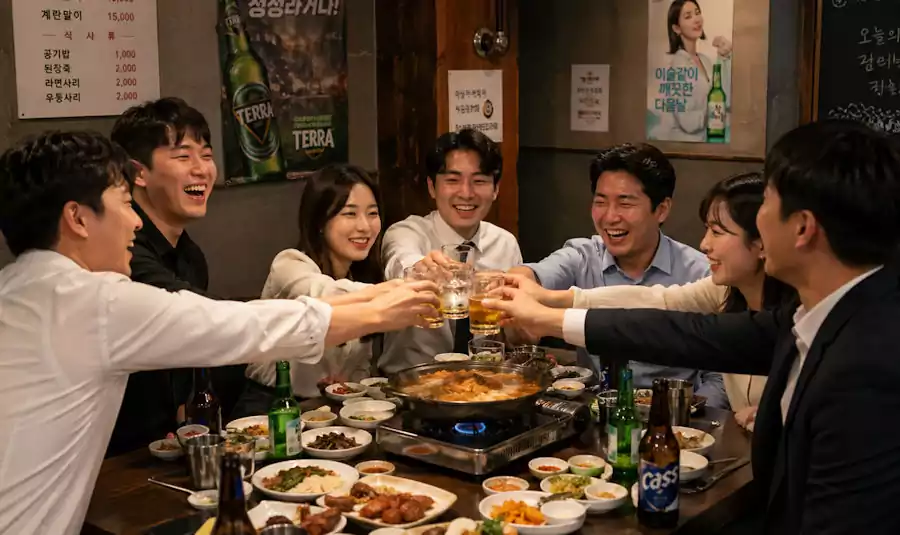
- Social drinking habits in Korea strongly influence social reactions.
- Because of these shared drinking experiences, many individuals understand intoxication firsthand.
- These customs also normalize taking care of others.
- These patterns indirectly explain why Koreans help drunk strangers.
5. What Happens If You Are Drunk in Korea
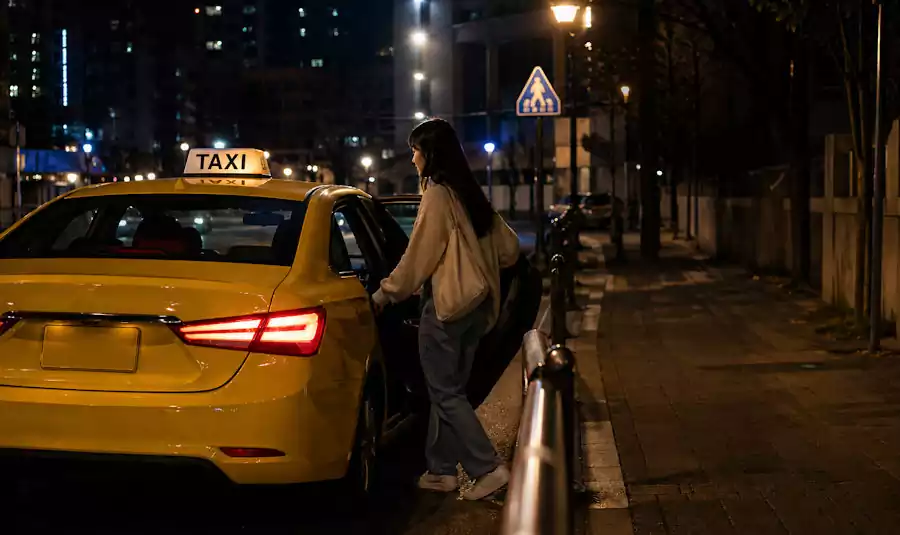
- Visitors often worry about safety after drinking, and official travel resources like Korea Tourism Organization provide useful guidance for staying safe at night.
- In many cases, someone nearby may step in. This reaction connects to Korean drinking culture and social awareness.
- However, help is not guaranteed in every situation. Knowing local behavior helps you stay safer.
- Understanding why strangers receive help in Korea can reduce anxiety for travelers.
6. Practical Safety Tips for Travelers

- Even though helping drunk strangers is commonly observed in Korea, you should not rely on it completely.
- Stay aware of your surroundings at night. Use taxis or public transport when possible.
- Korean drinking culture can create social safety, but personal caution still matters. Learning basic phrases can also help in emergencies.
- These steps complement the cultural support system.
7. Misunderstandings About Korean Kindness
- Some visitors assume the country is always safe because of these actions. This assumption can be misleading.
- Korean drinking culture encourages care, but it does not remove all risks.
- The reasons Koreans help drunk individuals reflect cultural tendencies, not guarantees.
- It is important to balance trust with awareness. This perspective gives a more realistic understanding.
8. How This Reflects Broader Korean Society
- This behavior is not limited to nightlife. Korean drinking culture is only one part of a larger social structure.
- Community awareness appears in many daily interactions. This pattern of helping strangers connects to this broader mindset.
- Observing these patterns can deepen cultural understanding. It also opens ideas for further exploration.
9. Conclusion: A Quiet Cultural Pattern
Why Koreans help drunk strangers is not just about kindness. It reflects shared experiences, emotional connections, and social habits. Korean drinking culture plays a strong supporting role in shaping this behavior. When you notice it, the scene feels less surprising and more meaningful.