
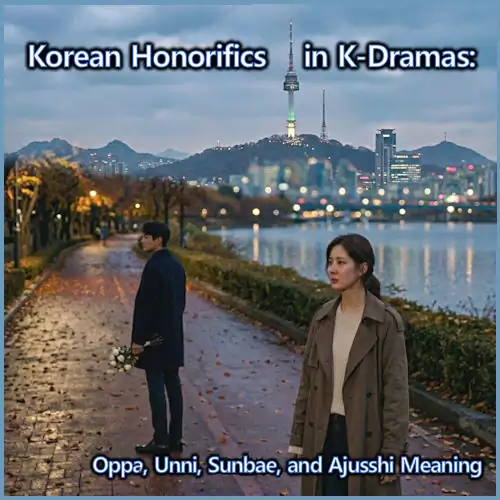
Why do K-Drama characters avoid names and rely on titles instead? This question leads many viewers to search what does oppa mean while noticing deeper patterns in dialogue. I grew up using Korean address terms daily, and I have seen how these words shape real relationships. I have also explained korean honorifics to international friends who struggled to understand emotional nuance in dramas. You can explore more Korean language expressions in related guides to deepen your understanding.
This guide is designed for international viewers who want to understand Korean dialogue more clearly.
1. Why Names Are Rare in K-Dramas
- Many viewers first notice Korean titles when characters avoid first names. This creates confusion and pushes people to ask what does oppa mean in context.
- In Korean culture, names feel direct and sometimes too personal. So people rely on honorific expressions to maintain respect and distance. This system reflects age and hierarchy clearly.
2. How Korean Honorifics Structure Relationships
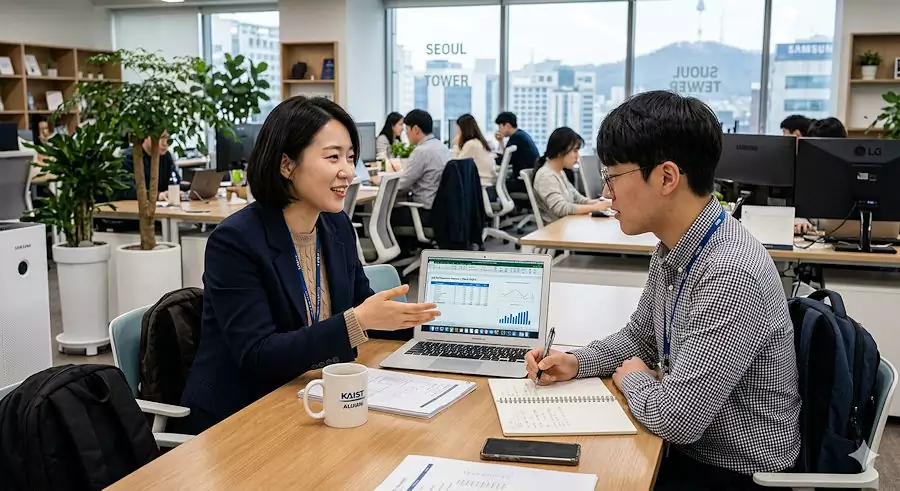
- These honorific expressions organize social interaction in a subtle but strict way. When viewers repeatedly ask what does oppa mean, they are really asking about relationship signals.
- Each term carries emotional weight beyond translation, as explained in detailed resources about Korean honorifics.
- Korean honorifics show whether someone is close, distant, or senior. This structure appears naturally in everyday speech.
3. What Does Oppa Mean in Real Contexts
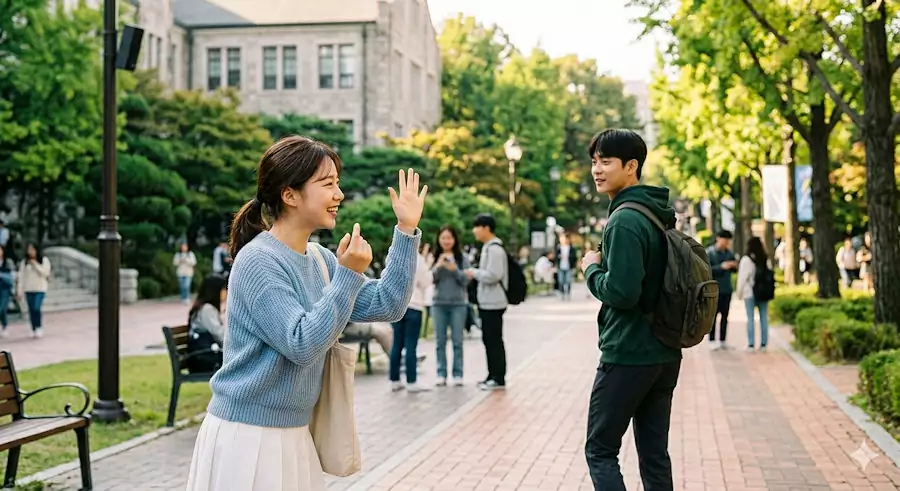
- Many beginners search what does oppa mean because dramas use it frequently.
- A female speaker uses it for an older male with closeness. However, what does oppa mean can shift depending on tone and situation.
- Sometimes it feels friendly, other times romantic. Korean honorifics allow this flexibility without changing the word itself.
- I have seen many learners misunderstand this term at first because translation alone is not enough.
4. Beyond Oppa: Expanding the System
After learning what does oppa mean, viewers start noticing similar patterns. Terms like Unni, Sunbae, and Ajusshi extend korean honorifics into different roles.
Each one reflects a mix of age and social position. Korean honorifics are not random labels but part of a connected system. This makes dialogue feel layered and intentional.
5. Practical Tip: How to Understand Faster
- If you keep asking what does oppa mean in every scene, try focusing on context instead. Watch how characters react when korean honorifics change.
- A shift in address often signals emotional development. Korean honorifics become easier when you link them to relationships, not just definitions. This approach reduces confusion quickly.
- You can also explore what international fans often miss in K-Drama subtitles to better understand cultural nuances.
6. Why This Matters for Deeper Viewing
- Understanding korean honorifics changes how you watch dramas completely.
- When you no longer pause to ask what does oppa mean, you begin to notice emotional subtext. Korean honorifics reveal tension, affection, and hierarchy at once.
- This deeper awareness improves immersion. It also connects language with culture naturally.
7. Conclusion: Small Words, Big Meaning
Korean honorifics may look simple, but they carry layered meaning. Once you stop repeatedly asking what does oppa mean, the story flows differently. These terms quietly guide relationships and emotions. Understanding them leaves a lasting impression on every scene. Once you recognize these patterns, even simple conversations in K-Dramas start to feel more meaningful.