
K-Drama epilogues often appear after the main story seems complete, yet they quietly reshape how viewers understand everything they just watched. Many scenes feel subtle at first, but they often reveal emotions that were not fully expressed earlier. As global audiences continue to grow, more viewers begin to notice the deeper K-Drama Epilogues meaning behind these quiet endings. At the same time, many international fans recognize how Korean drama ending scenes add emotional depth without changing the main plot. These final moments often redefine how a story is remembered.
1. What K-Drama Epilogues Offer Viewers
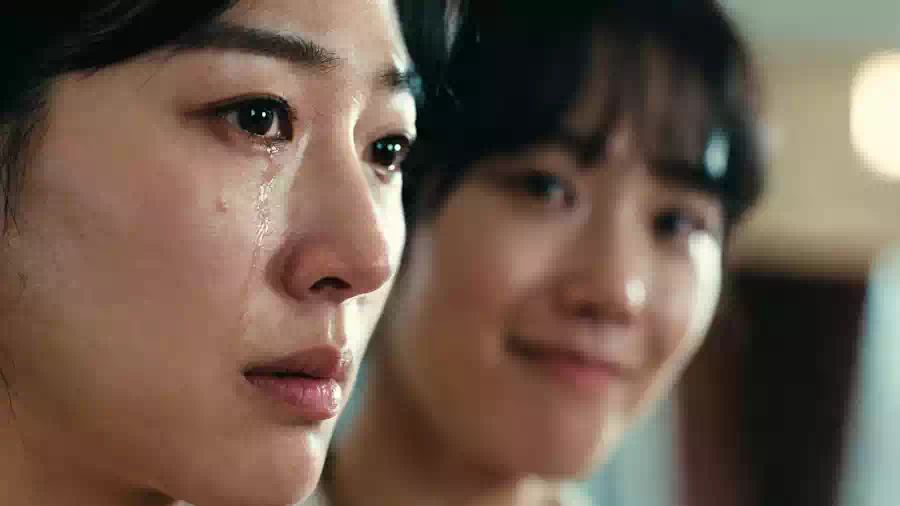
K-Drama Epilogues are short ending scenes that reveal hidden emotions and add depth to the main story. These moments often provide emotional closure that the main episode leaves behind. Many viewers revisit earlier scenes after watching them. The K-Drama Epilogues meaning becomes clearer through subtle dialogue and reactions. In many cases, K-drama ending scenes highlight details that were easy to miss during the first viewing.
1.1. Hidden Character Emotions
- K-Drama Epilogues reveal feelings that characters do not express openly. The K-Drama Epilogues meaning becomes stronger when these emotions appear quietly. These moments help viewers understand the characters on a deeper level.
1.2. Alternative Perspectives
- K-Drama Epilogues sometimes show events from another point of view. This expands the K-Drama Epilogues meaning and allows viewers to reinterpret earlier scenes. Similar techniques are often used in Korean drama ending scenes.
2. Why K-Drama Epilogues Are So Famous
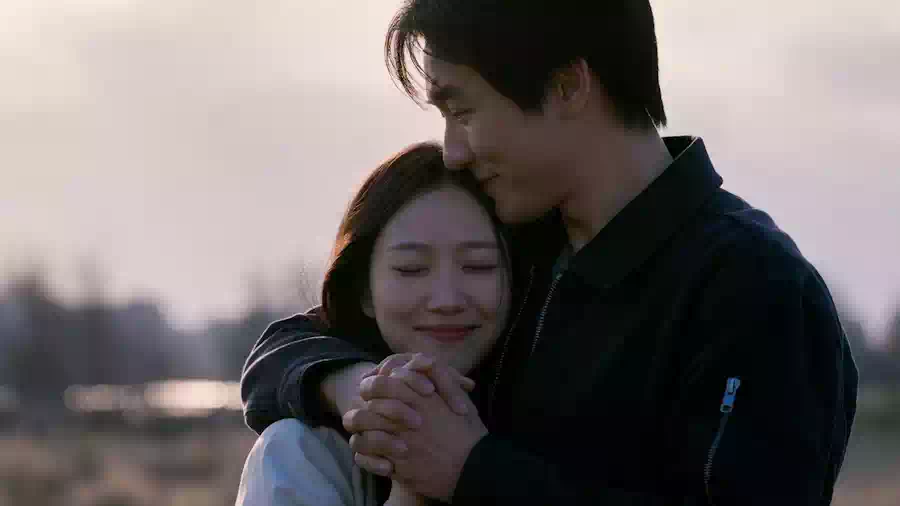
K-Drama Epilogues have gained attention because they extend emotional impact without adding extra episodes. Many viewers stay until the very end expecting these scenes. As interest grows, more audiences try to understand the full K-Drama Epilogues meaning behind these endings. In addition, K-Drama ending scenes have become a recognizable storytelling feature. These scenes feel like a reward for viewers and strengthen emotional engagement. Viewers who enjoy this style can also read K-Drama cliffhangers explained.
2.1. Emotional Payoff
- K-Drama Epilogues deliver meaningful emotional moments. The K-Drama Epilogues meaning often becomes clear in these final seconds.
2.2. Viewer Anticipation
- Viewers begin to expect epilogues as part of the experience. This growing familiarity makes Korean drama ending scenes more engaging over time.
3. When Viewers Experience K-Drama Epilogues
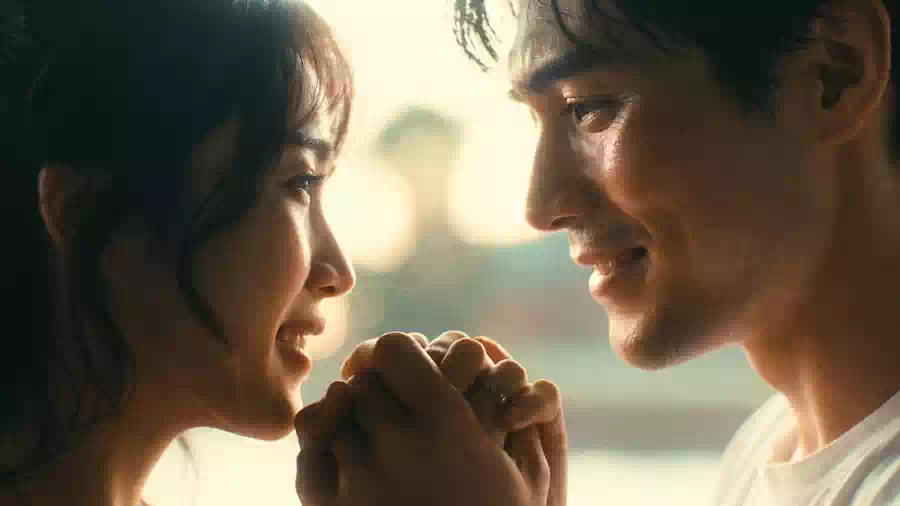
K-Drama Epilogues usually appear at the end of an episode or after the credits. Some viewers miss them during their first watch. Understanding this timing helps reveal the full K-Drama Epilogues meaning. Many Korean drama ending scenes are intentionally placed after credits, making them easy to overlook.
3.1. After Credits Moments
- Some K-Drama ending scenes appear after credits. These moments feel like hidden content and often leave a stronger impression.
3.2. End-of-Episode Insights
- These epilogue scenes clarify earlier misunderstandings. The K-Drama Epilogues meaning becomes easier to understand when viewers connect these insights with previous events.
4. The Cultural Meaning Behind K-Drama Epilogues
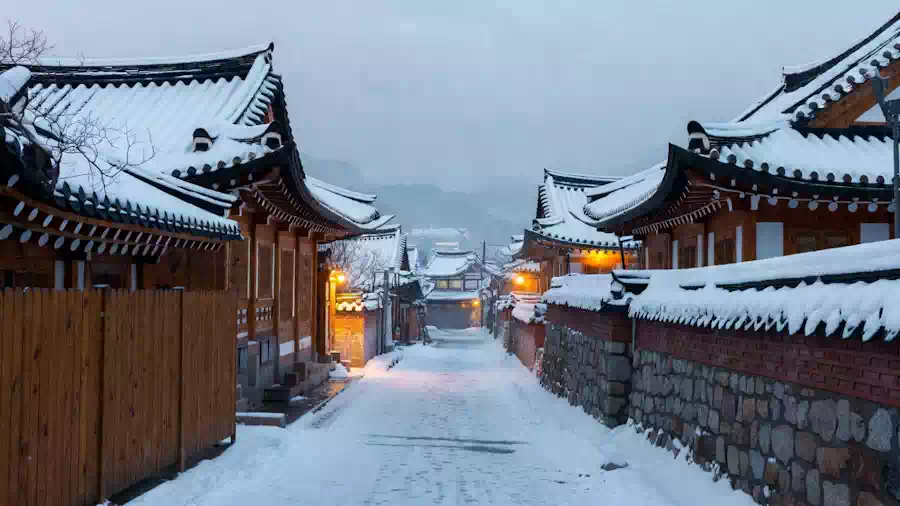
K-Drama Epilogues reflect a storytelling style that values emotional depth and quiet reflection. Korean dramas often focus on unspoken feelings rather than direct explanation. This approach helps explain the deeper K-Drama Epilogues meaning that viewers experience. At the same time, Korean drama ending scenes reflect a cultural preference for subtle storytelling.
Korean storytelling has developed through cultural tradition and global expansion, a trend also noted by the Korea Foundation for International Cultural Exchange.
I have closely analyzed multiple K-Drama Epilogues across genres to understand how they shape viewer interpretation. In many cases, the K-Drama Epilogues meaning is less about surprise and more about emotional clarity.
4.1. Emotional Storytelling Tradition
- K-Drama Epilogues often highlight emotion over action. Many K-Drama ending scenes follow this pattern.
4.2. Indirect Communication Style
- These scenes suggest meaning instead of stating it directly. This style encourages deeper interpretation from viewers.
5. Practical Tips for Foreigners Understanding Epilogues
K-Drama Epilogues can feel unfamiliar to new viewers. Paying attention to details helps uncover the full K-Drama Epilogues meaning. Watching with accurate subtitles improves understanding, especially when analyzing Korean drama ending scenes.
5.1. Focus on Facial Expressions
- K-Drama Epilogues rely heavily on visual cues. Small expressions often carry important meaning.
5.2. Rewatch Key Scenes
- Rewatching helps reveal hidden connections and improves overall understanding.
6. Related Korean Culture to Explore Next
K-Drama Epilogues connect with broader Korean storytelling techniques. Viewers who explore these patterns can better understand narrative structure. In addition, many K-Drama ending scenes share similarities with film and web drama formats.
6.1. Korean Film Storytelling
- Films use similar emotional layering techniques. This helps viewers recognize familiar storytelling patterns.
6.2. Web Drama Formats
- Short-form dramas also use epilogue-style endings. These formats continue to grow in popularity.
7. Final Thoughts
K-Drama Epilogues may seem brief, but they often leave a lasting impact. These scenes reshape how viewers interpret the story and highlight the importance of Korean drama ending scenes in modern storytelling. As more audiences discover Korean dramas, understanding the K-Drama Epilogues meaning becomes increasingly valuable. Next time you watch a K-Drama, do not skip the ending scene—you might discover a completely new perspective.