
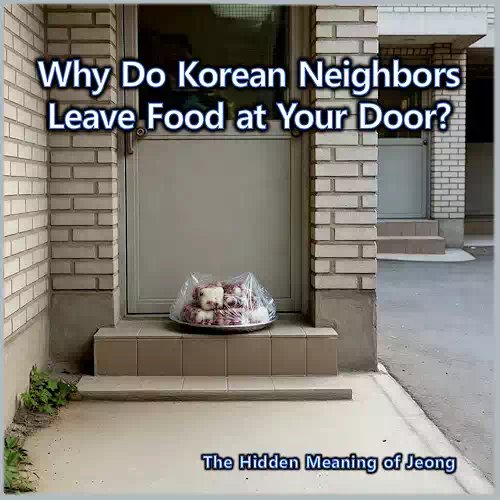
You might feel confused when korean neighbors leave food at your door without saying a word. Is it kindness, habit, or soYou might feel confused when korean neighbors leave food at your door without saying a word. Is it kindness, habit, or something deeper? This quiet act often reflects the meaning of jeong, a cultural emotion that connects people beyond words.
I grew up in Korea and experienced this many times in real life. I spent years observing how neighbors interact in Korea, and this small habit appears more often than people expect.
1. Why korean neighbors leave food at your door
This small action is usually a quiet sign of care. People often share what they cook at home. They do not expect praise or payment. In many neighborhoods, this kind of food sharing still feels natural. It shows how daily life can be shaped by consideration for others.
2. What is the meaning of jeong in Korean culture
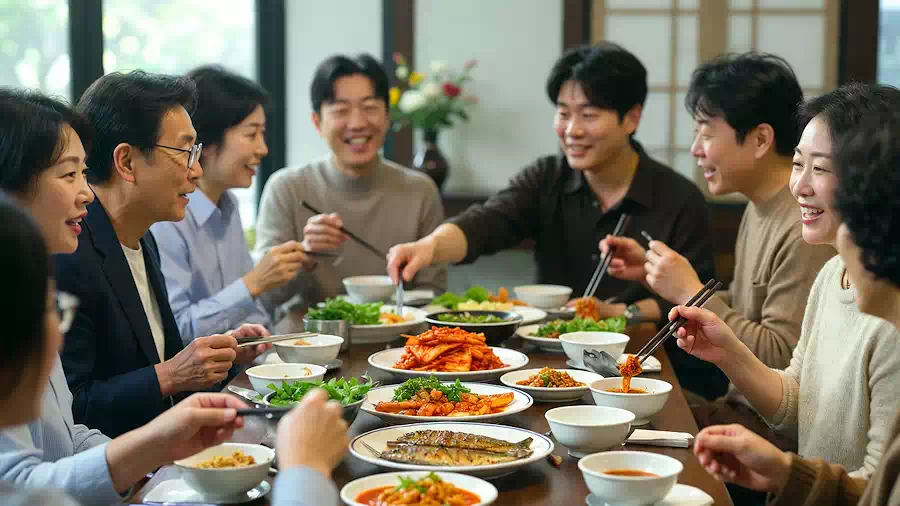
The meaning of jeong explains why this custom feels deeper than simple politeness. It describes an emotional bond that grows through time, shared space, and repeated acts of care. This feeling is warm, steady, and often unspoken. It helps people stay connected even without direct conversation. In Korea, small gestures often carry more emotional weight than they first appear to have.
3. Everyday situations where this happens
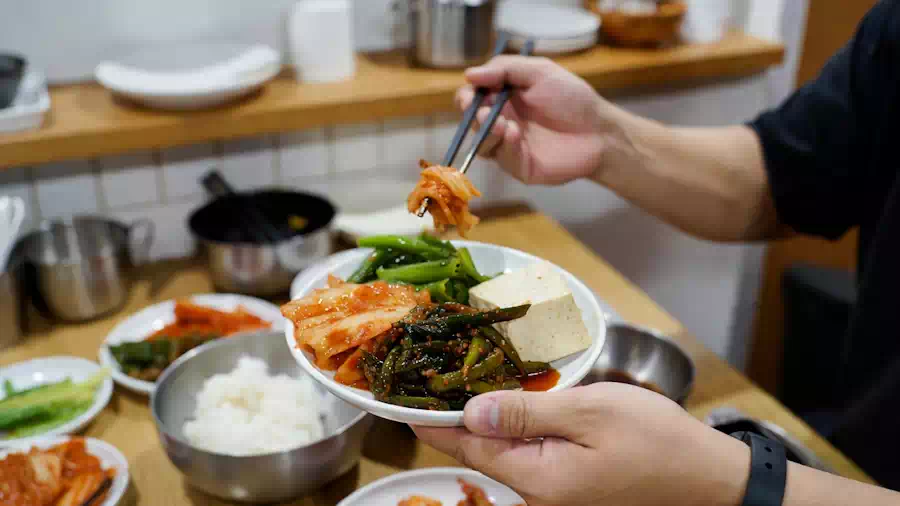
You can notice this feeling in ordinary moments. A neighbor may bring extra soup after cooking too much. Someone may leave fruit, rice cakes, or side dishes during a holiday season. When korean neighbors leave food at your door, the meaning of jeong often appears through action rather than explanation. These gestures can look small, but they help build trust over time.
3.1. Food sharing
Food is one of the easiest ways to express warmth. A simple homemade dish can carry comfort, familiarity, and respect.
3.2. Small help
People also show care by helping without being asked. That quiet support often leaves a strong impression.
4. Cultural roots behind food sharing

Korea’s communal past shaped many everyday habits. In farming villages, people depended on one another for labor, safety, and food. When korean neighbors leave food at your door, the meaning of jeong can still be felt as part of that older social rhythm. Even in modern cities, traces of that mindset remain. Sharing food continues to reflect closeness, trust, and social warmth.
5. Practical tips for handling this situation
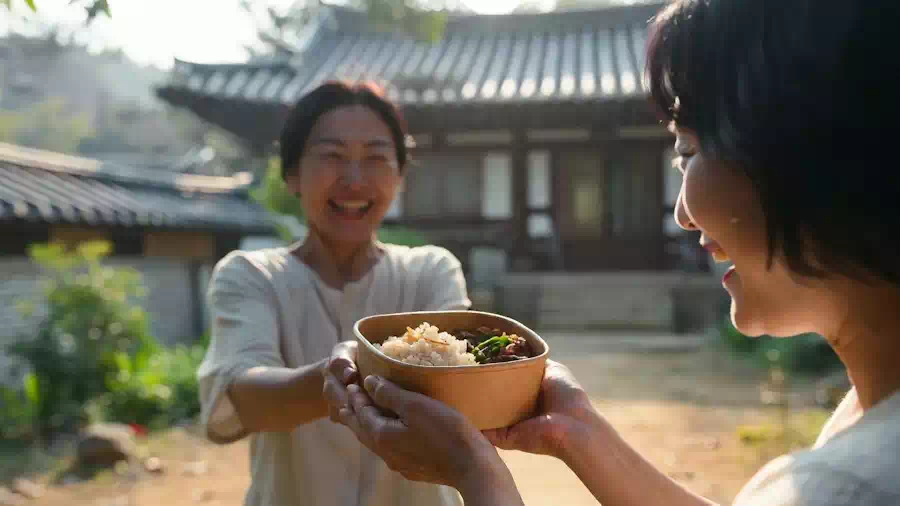
If this happens to you, accept it politely and keep your response simple. A warm thank you is usually enough. You do not need to prepare an immediate gift in return. When korean neighbors leave food at your door, the meaning of jeong is better understood through sincerity than formality. Later, a small reply such as fruit, snacks, or a kind note can help strengthen the relationship.
6. Related Korean culture you should know
This custom connects to a wider pattern in Korean life. Koreans often share food during family gatherings and national holidays. Group harmony is also valued in daily conversation and social behavior. That is why neighborhood kindness often feels natural instead of unusual. You can also explore why Koreans ask your age early or why they do not always split the bill equally.
8. Is it normal when korean neighbors leave food at your door
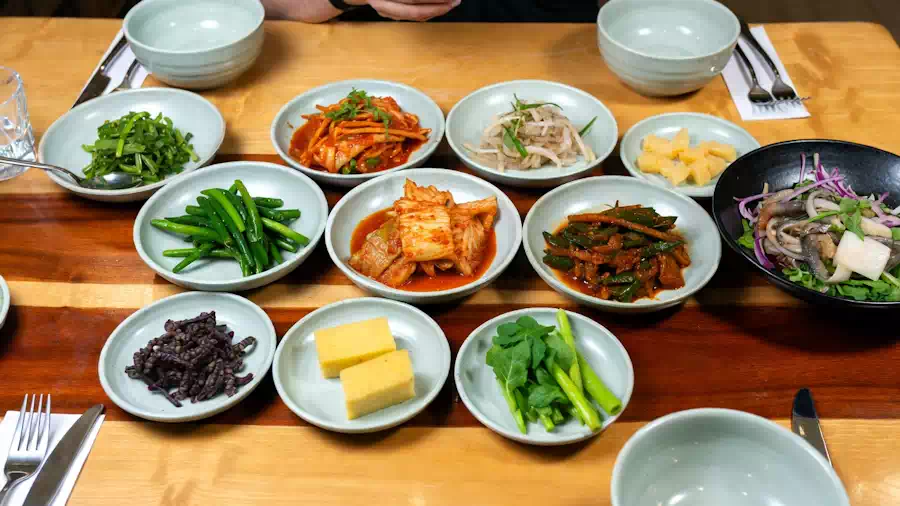
Many foreigners feel surprised at first. However, this is quite normal in some parts of Korea. Apartment life can seem private, but small acts of care still happen. In this context, the meaning of jeong helps explain why a quiet gift at the door does not feel strange to local residents. Understanding this point can reduce cultural confusion.
This habit also connects to Korea’s wider food culture. In many local restaurants, guests receive several side dishes without paying extra, and that gesture reflects a similar sense of generosity. If you want to understand this custom more deeply, read why Korean restaurants give free side dishes.
9. Final thoughts
A dish left at the door may look ordinary at first. Still, it can stay in your memory for a long time because it carries a quiet form of human connection. When korean neighbors leave food at your door, that moment often reveals care without explanation. It reminds us that some cultures express warmth most clearly through small, repeated actions.
For readers who want to explore Korean culture beyond everyday neighborhood customs, Visit Korea
offers helpful information on Korean traditions, local life, and cultural experiences across the country.