
When people ask “What Is Kkondae?”, they are often asking more than the meaning of a single word. In Korean office culture, the term is closely tied to hierarchy, authority, and workplace expectations. Understanding Kkondae helps explain not only a common expression, but also the cultural structure behind many office relationships in Korea.
1. What Is Kkondae?

Kkondae is a negative term for a person who uses age, seniority, or authority to force their views on others. The word is often used when someone believes their experience automatically makes them right. Instead of listening to different ideas, they expect younger people or junior colleagues to obey.
In everyday workplace conversations, the label usually appears when a senior employee lectures others, dismisses new ideas, or insists that things must be done the old way. For that reason, Kkondae does not simply mean “older person.” It describes a specific attitude and behavior.
Understanding this word is useful because it explains why hierarchy is discussed so often in Korean workplaces.
2. Why the Term Became Widely Discussed
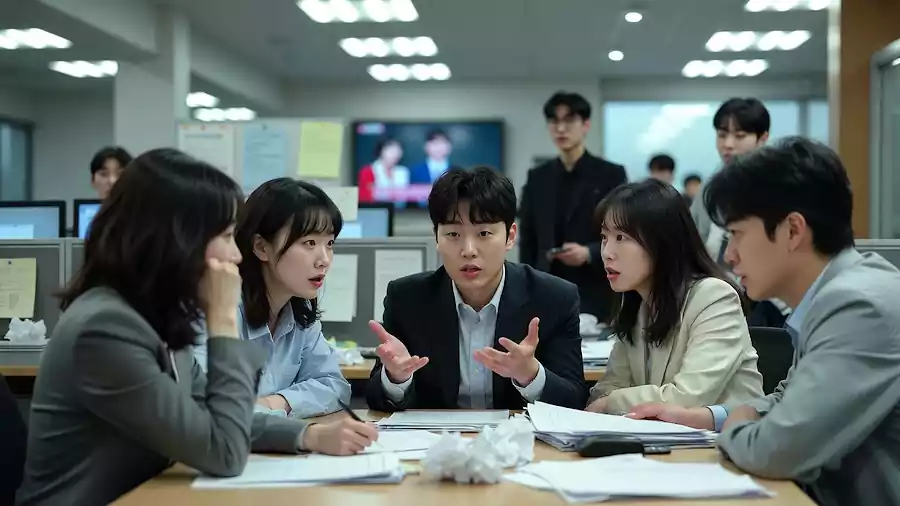
The term became more visible as younger workers began speaking more openly about stress, communication problems, and generational tension at work. Online communities, office humor, and TV programs helped spread the word across society.
Many of those conversations focused on how strict workplace hierarchies could make daily work frustrating. In that context, Korean office culture became an important background for understanding why the word gained so much attention.
Today, the term appears not only in casual conversation but also in discussions about leadership and company culture. That is why it feels larger than slang. It reflects a broader debate about how workplaces should change.
3. Seniority and Hierarchy in Korean Office Culture

To understand why this concept matters, it helps to look at the role of seniority in Korean office culture. In many offices, age and job title influence communication. Junior employees may speak more carefully, wait for approval, or avoid direct disagreement.
This structure has roots in long-standing values about respect and social order. Those values can support stability and mentorship, but they can also create pressure when authority becomes too rigid.
That is often the point where people begin using the term Kkondae. The word appears when seniority stops feeling helpful and starts feeling controlling.
3.1 Sunbae and Hubae Relationships
A central part of workplace life in Korea is the sunbae and hubae relationship. A sunbae is a senior, and a hubae is a junior. In a healthy environment, this relationship helps younger workers learn faster and adapt more easily.
Problems begin when guidance turns into one-sided control. If a senior refuses discussion and treats rank as absolute power, others may view that behavior negatively.
3.2 Communication and Authority
Hierarchy shapes how people speak in meetings, how feedback is given, and how decisions are accepted. Junior employees may hesitate even when they have good ideas.
That is why communication style matters so much. In some offices, silence is not agreement. It is simply caution in a hierarchical setting.
4. Common Examples of Kkondae in the Workplace

The idea of Kkondae becomes easier to understand through simple workplace examples. One common case is when a senior insists that a task must be done exactly as it was done years ago, even when better tools now exist.
Another example appears during after-work gatherings. These events are part of Korean office culture, but some employees feel pressure to attend, stay late, or follow expectations they did not choose.
There are also cases where senior staff comment on a junior employee’s private life, appearance, or future plans. These moments are often remembered because they cross personal boundaries while hiding behind rank or experience.
5. Why Younger Workers React Strongly
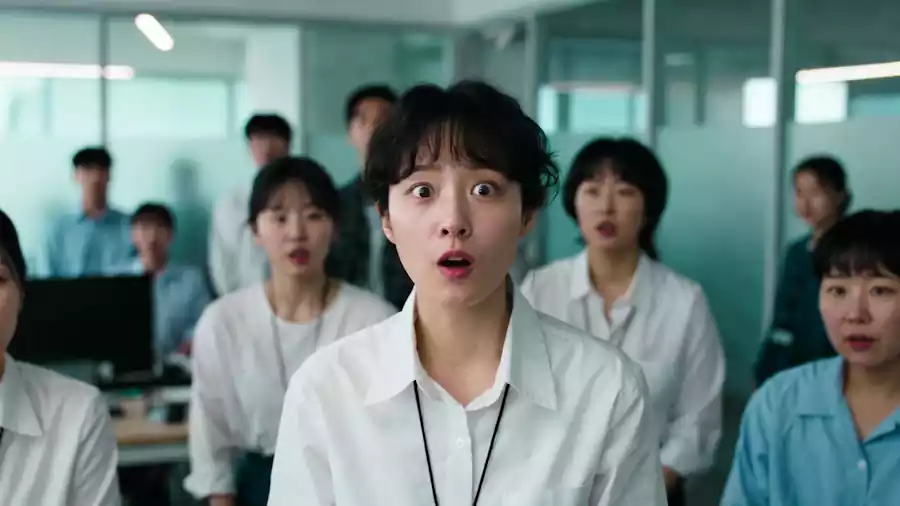
Younger employees in Korea often want workplaces where ideas are judged by quality, not by age alone. They tend to value direct but respectful communication, fair feedback, and greater flexibility in office life.
Because of these expectations, the term Kkondae has become part of a wider discussion about workplace reform. It is often used to criticize old-fashioned leadership styles that leave little room for new voices.
This shift is also changing Korean office culture itself. More companies now talk about horizontal communication, practical management, and healthier team relationships.
6. Practical Tips for Navigating Korean Office Culture
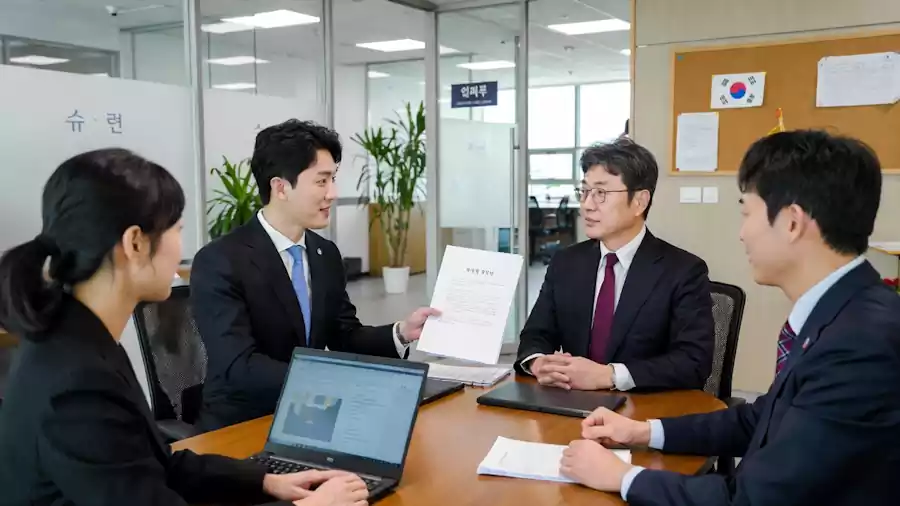
For anyone working in Korea, understanding Korean office culture is practical, not just interesting. It helps people communicate more smoothly and avoid unnecessary conflict.
First, show clear respect to senior colleagues. Polite language, patience, and attentive listening are still important in many offices. Second, share ideas carefully. Many professionals introduce a new suggestion by linking it to team goals instead of presenting it as open disagreement.
It also helps to remember that not every senior employee fits the stereotype of a Kkondae. Many experienced managers are thoughtful mentors who support younger coworkers and welcome change.
7. What This Concept Teaches Us
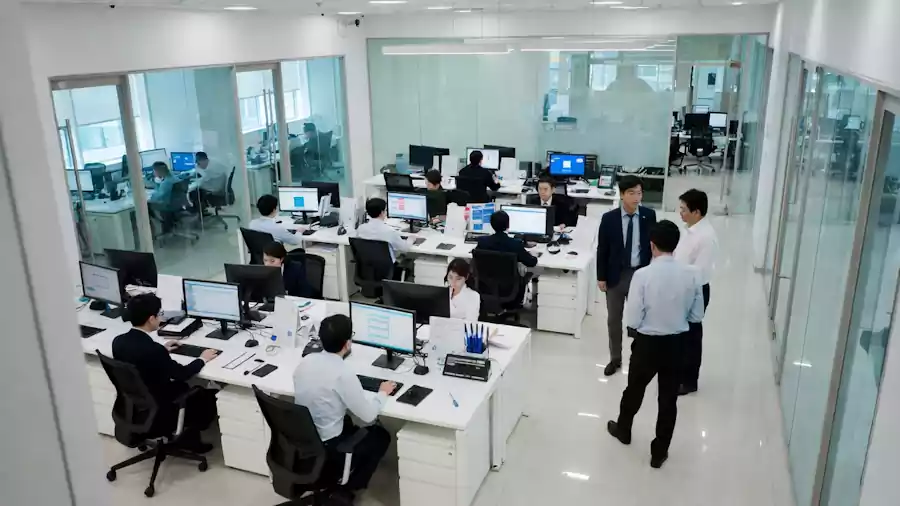
The word Kkondae tells us something important about social change in Korea. It shows that people are rethinking authority, leadership, and the balance between tradition and flexibility.
At the same time, it also reveals that hierarchy has not disappeared. Korean office culture still carries strong expectations around rank, tone, and respect. That is why the conversation remains active.
When readers understand this concept, they can better interpret office behavior, workplace tension, and generational differences in Korea.
8. Q&A About Kkondae

8.1 Is Kkondae always a negative word?
Yes. Kkondae is used as a criticism. It describes behavior that feels controlling, outdated, or overly authoritative.
8.2 Does Kkondae only refer to older people?
Not always. The term is usually connected to older or senior people, but the attitude itself can appear in anyone who acts in a rigid and condescending way.
8.3 Is every senior person in Korean office culture a Kkondae?
No. Many senior employees play a positive role in Korean office culture. They guide junior staff, share experience, and help teams grow. The term should not be used to stereotype all older workers.
8.4 Why is the word so famous in Korea?
The word became famous because it captured a common frustration in modern workplaces. It gave people a simple way to describe power-driven behavior that many younger employees had already noticed.
8.5 What can foreigners learn from this concept?
Foreign readers can learn how hierarchy works, why communication may feel indirect, and how social expectations influence office relationships in Korea. It is a useful entry point for understanding broader workplace norms. Readers can also better understand everyday office life by exploring Korean coffee culture, which often shapes daily routines and informal interactions at work.
9. Conclusion
Kkondae is more than a slang word. It reveals how hierarchy and authority continue to shape Korean office culture today. Understanding this concept helps readers see how workplace relationships in Korea are influenced by both tradition and modern values.
※ Further Reading
Learn more about Confucianism and explore workplace insights from the Harvard Business Review.