
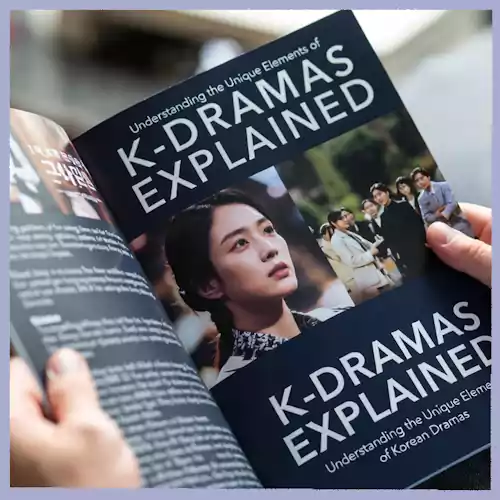
K-dramas offer a viewing experience that feels emotionally richer and more culturally textured than many Western series. This guide explains what makes k-dramas unique through storytelling patterns, relationship pacing, and everyday cultural cues. It also clarifies aegyo meaning in kdrama, so you can understand why “cute” behavior can signal affection, apology, or intimacy depending on the scene.
Many international viewers who start watching Korean dramas soon realize that the storytelling style, emotional pacing, and cultural expressions feel very different from Western television.
1. Quick Overview: what makes k-dramas unique and aegyo meaning in kdrama

In short, what makes k-dramas unique is the way dramas build tension slowly, prioritize emotional payoff, and weave social context—family, hierarchy, and community—into the plot. At the same time, aegyo meaning in kdrama often works like a relationship tool: it softens conflict, reveals vulnerability, and changes the emotional temperature of a conversation without needing long dialogue.
2. Key Terms

Before exploring what makes k-dramas unique, it helps to understand several cultural terms that frequently appear in Korean dramas.
2.1 Hallyu (한류)
Hallyu, often called the Korean Wave, describes the global popularity of Korean culture. This wave includes K-pop, films, beauty trends, and television dramas. The international success of Korean dramas has encouraged many viewers to discover what makes k-dramas unique in storytelling and emotional tone.
2.2 Chaebol (재벌)
A chaebol refers to a powerful family-owned business conglomerate in South Korea. Many K-dramas feature wealthy heirs from chaebol families, which often creates dramatic conflicts involving love, business, and family expectations.
2.3 Makjang (막장)
Makjang describes extremely dramatic or exaggerated storylines. These plots may involve shocking secrets, unexpected betrayals, or dramatic twists designed to keep audiences emotionally engaged.
2.4 Aegyo (애교)
A cultural behavior frequently shown in Korean dramas is aegyo meaning in kdrama. Aegyo involves playful gestures, cute expressions, or a softer tone of voice used to show affection. Understanding aegyo meaning in kdrama helps viewers interpret certain character interactions that might otherwise feel unusual.
2.5 Skinship (스킨십)
Skinship is a term commonly used in Korean culture to describe friendly or affectionate physical contact, such as holding hands or linking arms. In many dramas, skinship highlights emotional closeness between characters.
3. What Makes K-Dramas Unique in Storytelling

As Korean dramas have gained global popularity, many viewers have become curious about what makes k-dramas unique compared with Western television. One major difference is the emphasis on emotional pacing.
Korean dramas often develop relationships gradually. Instead of immediate romantic involvement, characters build trust and emotional tension over time. A first confession or a simple hand-holding scene may carry strong emotional impact because the story carefully builds toward that moment.
Another factor behind what makes k-dramas unique is the importance of relationships within families and communities. Characters frequently face decisions that involve loyalty to parents, workplace hierarchies, or social expectations.
4. Why These Themes Appear in K-Dramas
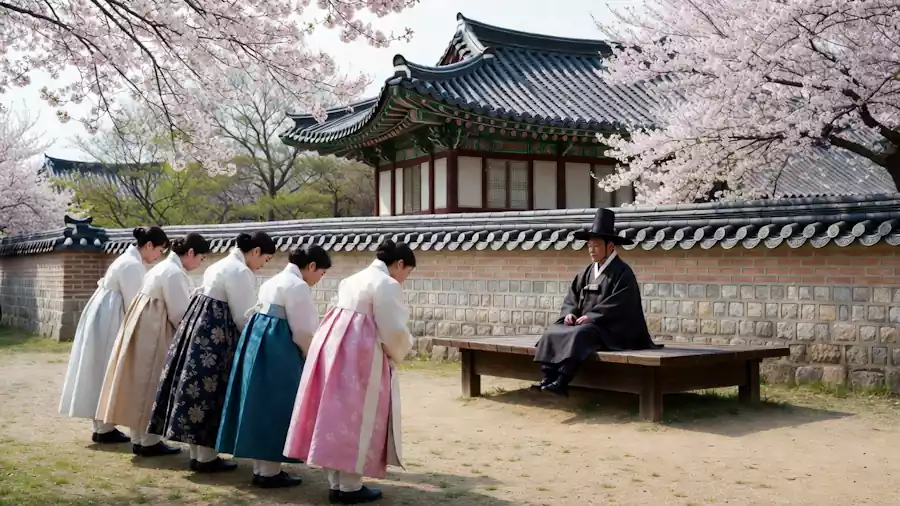
The themes often seen in Korean dramas are closely connected to cultural traditions in Korean society. Values influenced by Confucian philosophy emphasize respect for elders, family responsibility, and maintaining social harmony.
Because of these traditions, characters in Korean dramas often balance personal feelings with family expectations. This cultural perspective shapes many storylines and adds emotional complexity.
In romantic scenes, playful expressions sometimes help soften tension between characters. For example, understanding aegyo meaning in kdrama allows viewers to recognize when a character is trying to apologize, charm someone, or lighten the mood.
These subtle cultural interactions further illustrate what makes k-dramas unique in comparison with Western storytelling styles.
5. When These Elements Appear in K-Dramas
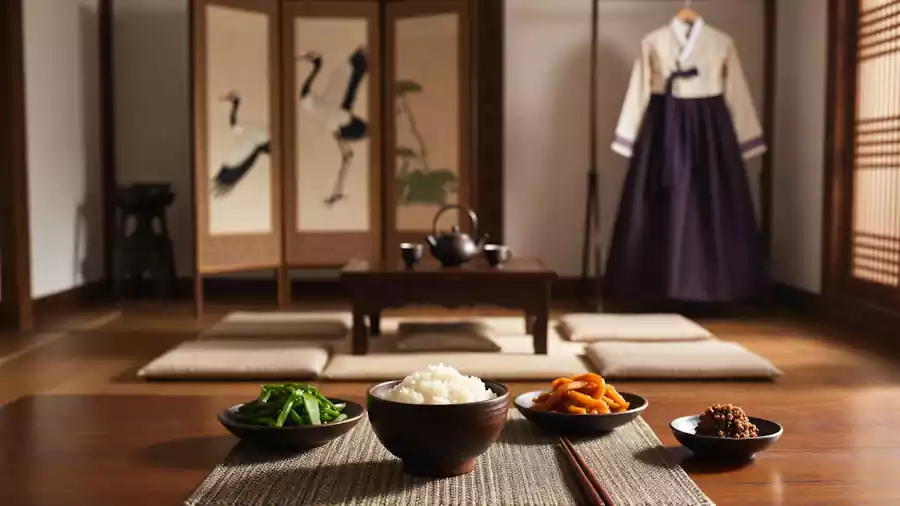
The distinctive elements that define Korean dramas appear throughout the entire series.
Family expectations and social hierarchy often influence the main conflict from the beginning of the story. Romantic relationships usually develop slowly, with key moments—such as a confession or first kiss—appearing later in the narrative.
In everyday scenes, viewers may also notice playful behaviors connected to aegyo meaning in kdrama. These moments often appear in romantic or comedic situations and help show emotional closeness between characters.
Makjang-style twists sometimes appear near the middle or end of a series to heighten drama and maintain audience interest.
6. Cultural Meaning Behind K-Drama Themes

Beyond entertainment, Korean dramas often reflect deeper cultural ideas about relationships and emotional connection. One important concept is Jeong (정), which describes a deep bond that develops between people over time.
This idea of emotional attachment explains why characters remain loyal to friends, family members, or romantic partners even during difficult situations.
In some scenes, expressions related to aegyo meaning in kdrama may appear again as a way to communicate affection or emotional warmth. These small cultural cues give audiences a clearer understanding of relationships between characters.
Ultimately, these cultural influences help explain what makes k-dramas unique as a storytelling tradition that combines emotion, culture, and entertainment.
7. FAQ Example

7.1 Why are K-dramas so popular worldwide?
K-dramas are popular because they combine emotional storytelling, strong character development, and cultural themes that feel both unique and relatable to global audiences.
7.2 What does aegyo mean in Korean culture?
Aegyo refers to cute or playful behavior used to express affection, charm, or apology in social interactions.
7.3. Why do many K-dramas have 16 episodes?
Many Korean dramas follow a 16-episode structure because it allows writers to build emotional tension while still telling a complete story in a limited series format.
※ Read Next: Korean Coffee Culture + How Caffeine Works in Your Brain
8. Conclusion
Korean dramas continue to gain international attention because they offer a storytelling style that feels both emotionally engaging and culturally distinctive. By examining relationship pacing, family-centered themes, and social traditions, viewers can better understand what makes k-dramas unique compared with Western television.
Cultural expressions such as aegyo meaning in kdrama also provide insight into how affection and humor are expressed within Korean relationships. Together, these elements create a viewing experience that resonates with audiences around the world.
※ Learn More About Korean Drama Culture : If you want to explore Korean culture and K-dramas more deeply, the following resources provide helpful background information.