
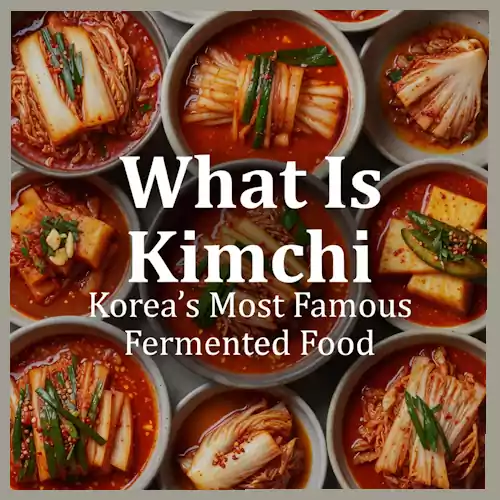
Many people trying Korean food for the first time ask a simple question: what is kimchi? Kimchi is a traditional Korean fermented vegetable dish and a staple of everyday meals. For generations, families have made it at home with seasonal ingredients and time-tested methods, which give it its bold flavor and vivid color. Because elders often pass the process down to younger family members, learning about kimchi also offers a glimpse into Korean home cooking, family traditions, and community life.
1. What Is Kimchi?
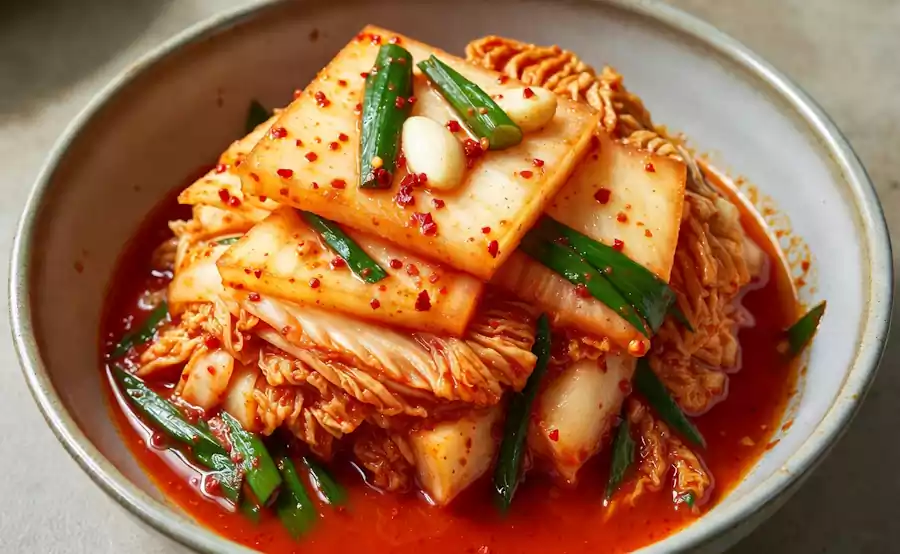
- To understand clearly what is kimchi, it helps to look at the basic idea behind the dish. Kimchi is a fermented vegetable food that usually uses napa cabbage as the main ingredient.
- However, many vegetables such as radish, cucumber, or green onions can also be used.
- The preparation process begins by salting the vegetables to remove moisture and soften their texture. After rinsing, cooks apply a seasoning paste made from chili flakes, garlic, ginger, and other ingredients.
- The vegetables are then stored so the fermentation process can begin.
- During fermentation, beneficial bacteria develop naturally and create the tangy flavor that people associate with kimchi.
- Through this process, korean kimchi develops a complex combination of spicy, sour, and savory flavors that continue to evolve over time.
2. What Is Korean Kimchi Made Of?
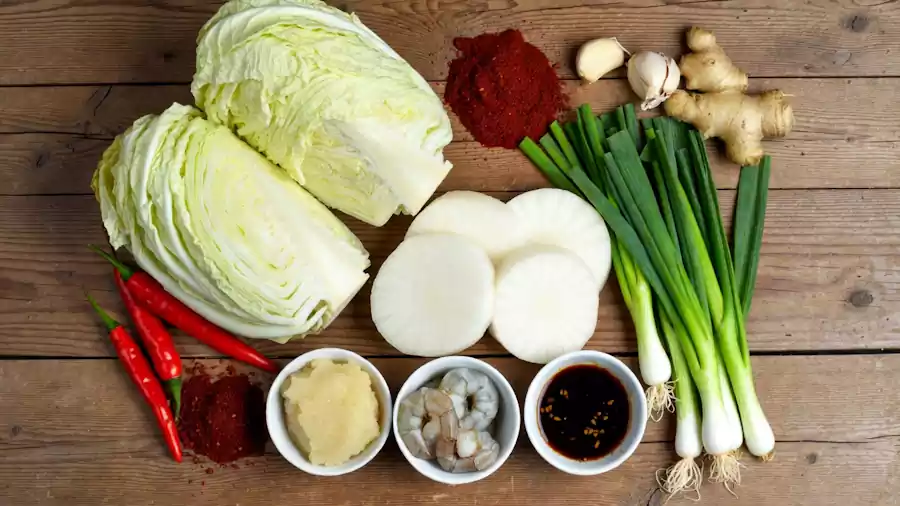
- Traditional korean kimchi relies on several key ingredients that create its distinctive taste. Although different regions may have their own variations, the main components remain similar.
※ Common ingredients include:
① Napa cabbage or radish
② Korean chili flakes (gochugaru)
③ Garlic
④ Ginger
⑤ Green onions
⑥ Fermented seafood such as anchovy or shrimp paste
※ Each ingredient adds a specific flavor element. Chili flakes create heat and color, garlic and ginger add aroma, and fermented seafood provides a strong umami taste. When someone asks what is kimchi, these ingredients help explain why the dish has such a bold and layered flavor.
3. What Does Kimchi Taste Like?
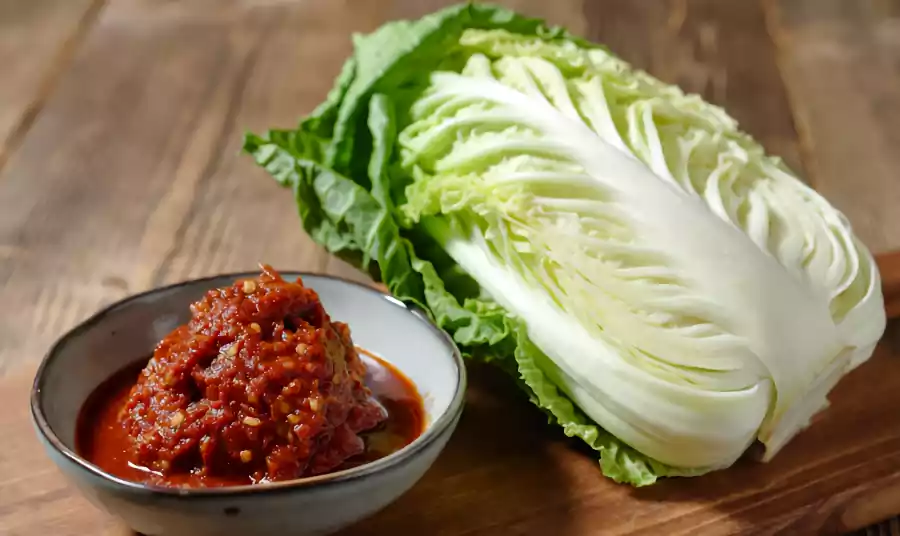
- Another common question people ask when learning what is kimchi is about its flavor.
- Kimchi offers a unique combination of tastes that can be surprising for first-time eaters.
- Fresh kimchi usually tastes crisp, slightly spicy, and refreshing. As fermentation continues, the flavor becomes more sour and deeper in character.
- This transformation is one reason korean kimchi is so interesting to eat, because the taste changes depending on its age.
- The flavor also includes a strong umami element from fermented ingredients.
- This combination of spicy, sour, and savory notes makes korean kimchi very different from many other vegetable dishes.
4. Why Korean Kimchi Is Important in Korean Culture
- Kimchi plays an important role in Korean food culture.
- A typical Korean meal often includes rice, soup, and several side dishes, and kimchi is almost always present.
- Because of this, korean kimchi is often described as the heart of the Korean dining table.
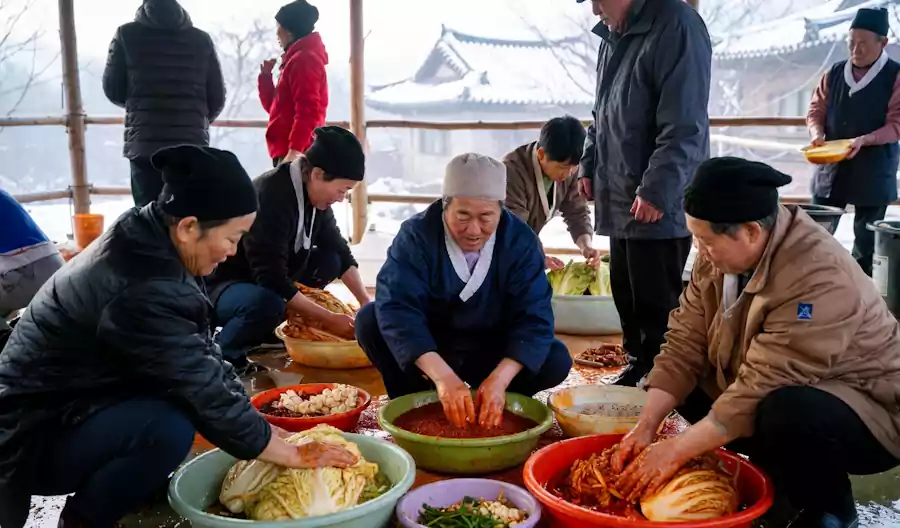
- One important tradition connected with kimchi is Kimjang, a seasonal event that takes place in late autumn.
- During Kimjang, families and neighbors gather to prepare large quantities of kimchi for the winter season.
- People share ingredients, exchange recipes, and work together throughout the day.
- Through this tradition, the meaning of what is kimchi goes beyond food and becomes a symbol of cooperation and community.
5. Popular Types of Korean Kimchi
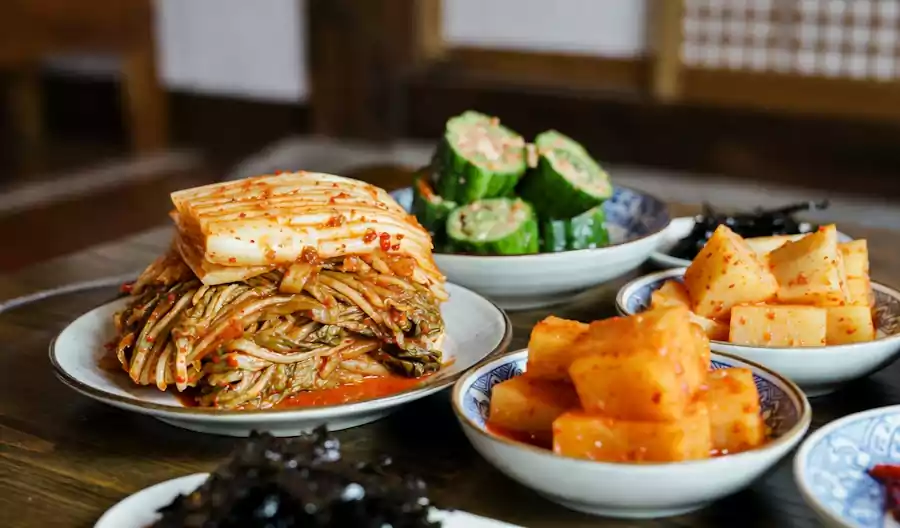
- Exploring different varieties is another way to understand what is kimchi. Korea has hundreds of kimchi types that vary depending on region, season, and ingredients.
- These examples show how diverse korean kimchi can be across different parts of Korea.
※ Some popular varieties include:
① Baechu Kimchi : The classic napa cabbage version that most people recognize.
② Kkakdugi : A radish kimchi cut into cubes with a crunchy texture.
③ Baek Kimchi : A mild white kimchi that does not include chili flakes.
④ Oi Sobagi : A cucumber kimchi commonly enjoyed during summer.
6. How to Eat Korean Kimchi
- People who are new to Korean cuisine often wonder how to enjoy kimchi properly.
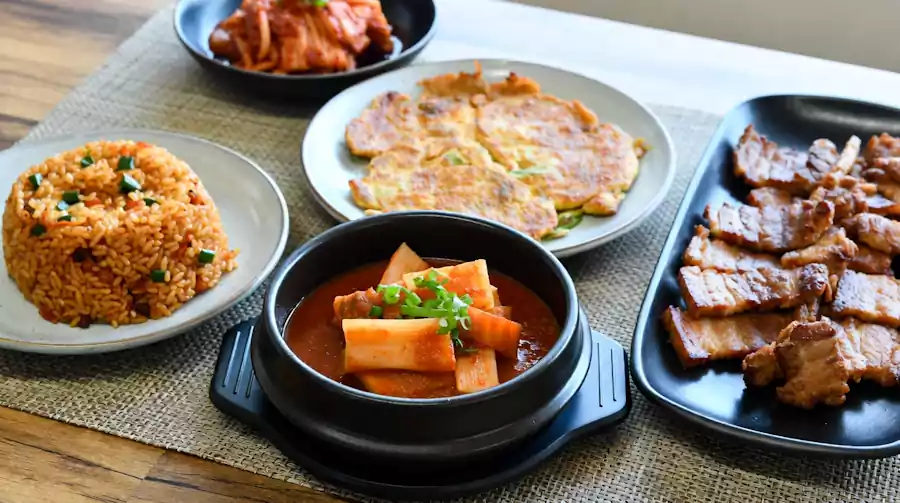
- The simplest way to eat korean kimchi is with a bowl of steamed rice. The strong flavor pairs well with simple foods and balances richer dishes.
- Kimchi also appears in many cooked meals.
- Popular examples include kimchi fried rice, kimchi stew, and savory pancakes.
- These dishes highlight how versatile korean kimchi can be in everyday cooking.
7. Health Benefits of Kimchi

- Many people who search what is kimchi are also curious about its health benefits. Because kimchi is a fermented food, it contains natural probiotics produced during fermentation.
- These beneficial bacteria may support digestion and help maintain a healthy gut environment. Kimchi is also rich in vitamins, fiber, and antioxidants from vegetables and spices.
- For this reason, many nutrition experts view kimchi as a nutritious fermented food that combines strong flavor with potential health benefits.
8. How to Store Kimchi Properly

- Proper storage helps maintain the flavor and quality of kimchi. Most households keep kimchi in sealed containers inside the refrigerator.
- Cold temperatures slow the fermentation process while allowing the flavor to develop gradually.
- As kimchi ages, the taste becomes more sour and intense. Many people actually prefer older kimchi for cooking dishes such as soups and fried rice.
9. Frequently Asked Questions About Kimchi

9.1. Is kimchi always spicy?
- No. Some varieties such as white kimchi are mild and contain no chili flakes.
9.2. Is kimchi vegan?
- Some traditional recipes use fermented seafood, but vegan versions are also widely available.
9.3. How long does kimchi last?
- Properly stored kimchi can last for several months while continuing to ferment.
9.4. Does kimchi smell strong?
- Yes, fermented foods can have a strong aroma, but many people enjoy the flavor once they become familiar with it.
※ Discover How Kimchi Fermentation Boosts Gut Health →
10. Conclusion
In simple terms, what is kimchi? Kimchi is a fermented vegetable dish that represents centuries of Korean culinary tradition. The ingredients, fermentation process, and community traditions behind korean kimchi have made it one of the most famous foods in Korea. Today, people around the world continue discovering the unique taste and cultural meaning of korean kimchi.