

Have you ever wondered what is bibimbap and why this colorful bowl appears so often in Korean culture? This Korean mixed rice dish may look simple, but it carries deep meaning, long tradition, and a clear sense of balance in every ingredient.
Through experiencing traditional Korean meals, I came to understand how this dish connects everyday life with deeper cultural values.
1. What Is Bibimbap?
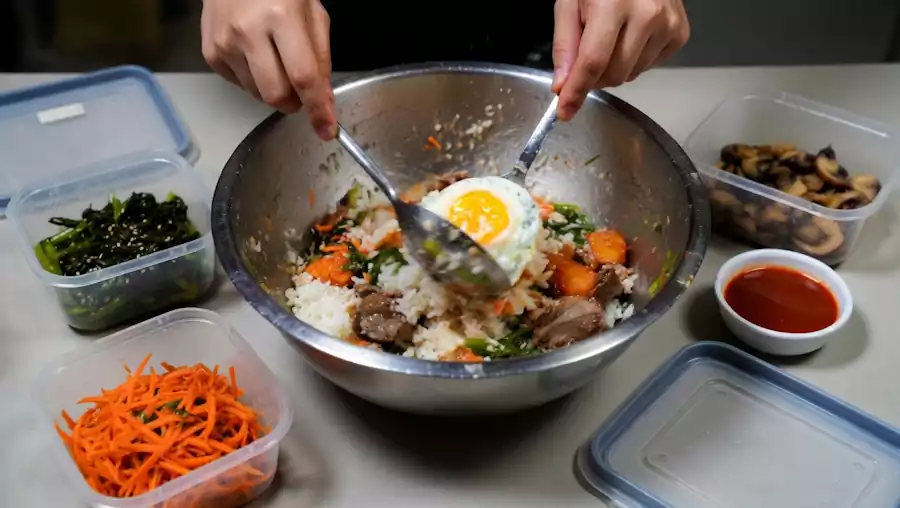
So, what is bibimbap exactly? It is a Korean mixed rice dish made with rice, vegetables, meat, egg, and gochujang. Each ingredient is prepared separately and arranged carefully on top of the rice. The dish is only complete when everything is mixed together, creating a balanced combination of flavor, texture, and color in every bite.
1.1 Key Ingredients
Rice forms the base of the meal. Vegetables add freshness, texture, and visual appeal. Gochujang brings a spicy and savory depth. Protein such as beef, egg, or tofu helps make it a complete and satisfying dish.
2. Meaning of Bibimbap
The literal meaning comes from the Korean words themselves. “Bibim” means mixing, and “bap” means rice. This name reflects the central idea of the dish: bringing separate ingredients together into one harmonious meal. It is a simple concept, but one that carries strong cultural meaning.
3. Why Is Bibimbap Popular Worldwide?
Many people searching what is this iconic Korean dish first notice its global popularity. One reason is that it is visually attractive and easy to understand. Another is that it offers a well-balanced meal in a single bowl. Because it can be adapted with different vegetables and proteins, it also works well for many dietary preferences.
3.1 Global Appeal
Restaurants around the world serve this dish as an introduction to Korean food. Travelers often try it as one of their first Korean meals. Its structure is approachable, but its flavor and presentation leave a strong impression.
4. When Do People Eat Bibimbap?
To understand what is bibimbap in daily life, it helps to know when Koreans eat it. It is commonly enjoyed as an everyday meal, but it also appears in traditional settings. In some homes, leftover side dishes are mixed with rice to create a practical and meaningful meal, which reflects a culture that values both balance and avoiding waste.
5. How to Eat Bibimbap Properly
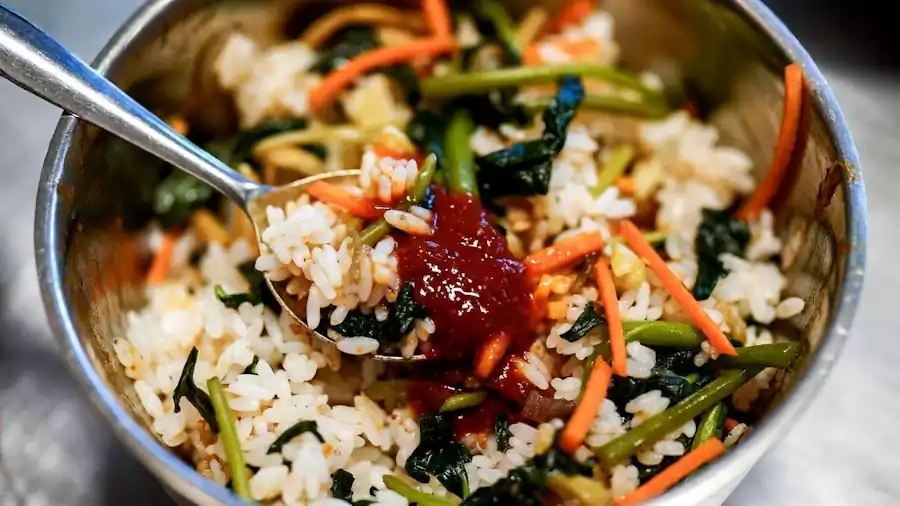
If you are still asking what is this traditional rice bowl in practice, the answer is simple: mix it well. Stir all the ingredients thoroughly before eating so the sauce, rice, and toppings are evenly combined. This is what creates the full experience of the dish.
5.1 Practical Tips
Mix from the bottom so the sauce spreads evenly. Use a spoon rather than chopsticks for easier eating. If possible, try a dolsot version, which is served in a hot stone bowl and creates crispy rice at the bottom.
If you want to see the preparation process more clearly, watching a cultural cooking demonstration can be helpful, such as this video from the Korean Cultural Center.
6. Cultural Meaning of Bibimbap
Beyond the basic question of what is this classic Korean meal, the dish represents harmony, balance, and unity. Its colors are often associated with traditional ideas about nature and balance. Different ingredients maintain their own identity, yet they come together as one complete meal. That idea makes the dish culturally significant as well as delicious.
I have observed that traditional Korean meals often emphasize balance over excess. I have also learned that the meaning of this dish is often understood more deeply through experience than through explanation alone.
7. Related Korean Food to Explore
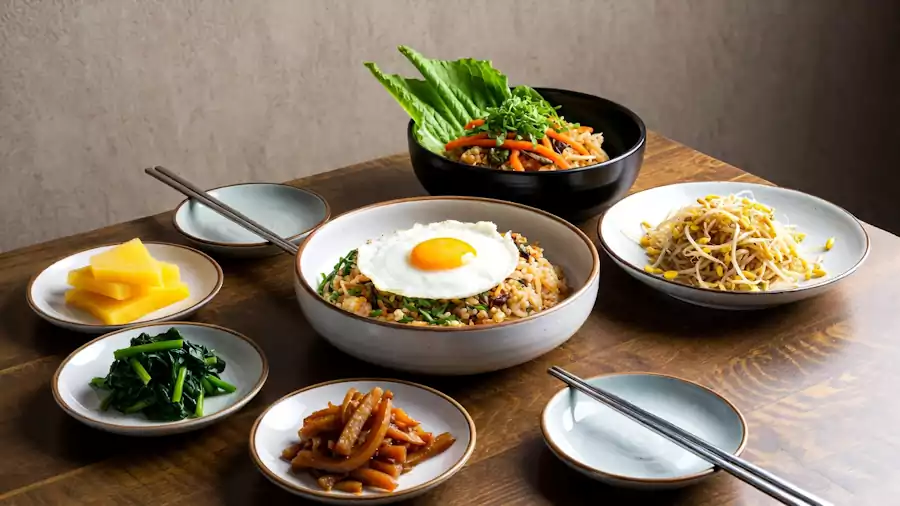
After learning what is this well-balanced dish, many people become interested in other parts of Korean food culture. Kimchi is a natural next step, and banchan culture is also closely connected. Exploring these foods gives a broader understanding of how Korean meals are built around variety, balance, and shared dining.
If you want to understand the deeper roots of Korean food culture beyond this dish, explore Gimjang, the Korean kimchi-making tradition.
8. Final Thoughts
At first, what is bibimbap may seem like a simple question, but it represents much more than just food. It reflects balance, tradition, and the essence of Korean culture in a single bowl.