
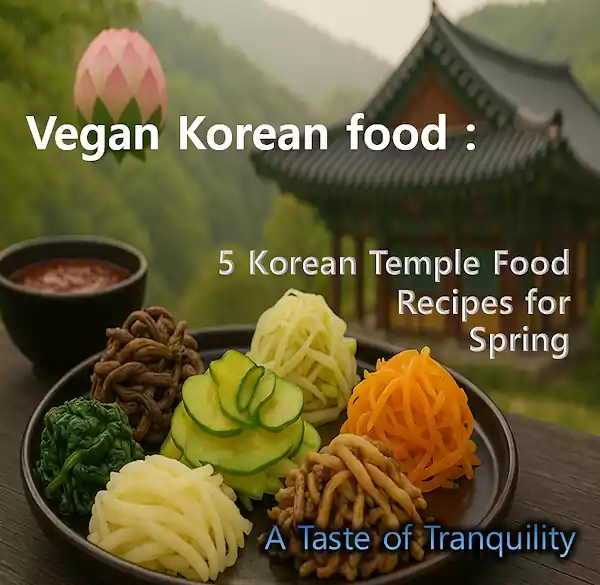
Discover five authentic Korean Temple Food recipes made with fresh spring ingredients – simple, plant-based, and rooted in Buddhist mindfulness. A seasonal journey to nourish both body and soul with vegan Korean food.
1. Introduction: Discover the Essence of Korean Temple Food
- As spring awakens the world with renewed energy, Korean Temple Food celebrates the season through simple yet deeply meaningful meals.
- Rooted in Buddhist philosophy, these dishes are more than food – they are meditative acts of gratitude and harmony with nature.
- Whether you’re exploring traditional Korean cuisine or searching for fresh ideas in vegan Korean food, this spring menu offers a journey through mindful cooking and seasonal balance.
2. Gondeure Namul Bap – Seasoned Thistle Rice
- This iconic dish represents the spirit of Korean Temple Food – humble ingredients, respectful preparation, and nourishing energy.
- Gondeure’s nutty aroma and subtle depth make it a favorite in vegan Korean food offerings.
(1) Ingredients
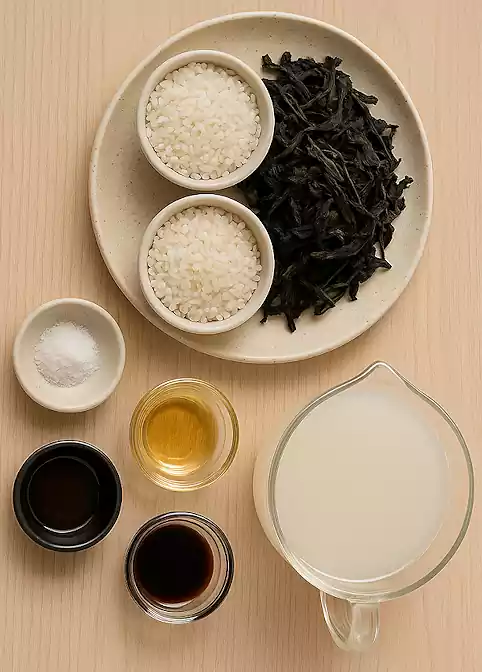
- 180g gondeure (Korean thistle), blanched
- 2 cups rice
- 2 cups water (preferably from rinsing rice)
- 1 tbsp perilla oil, ½ tbsp sesame oil
- ¼ tbsp salt
- 1 tbsp homemade soy sauce
(2) Instructions
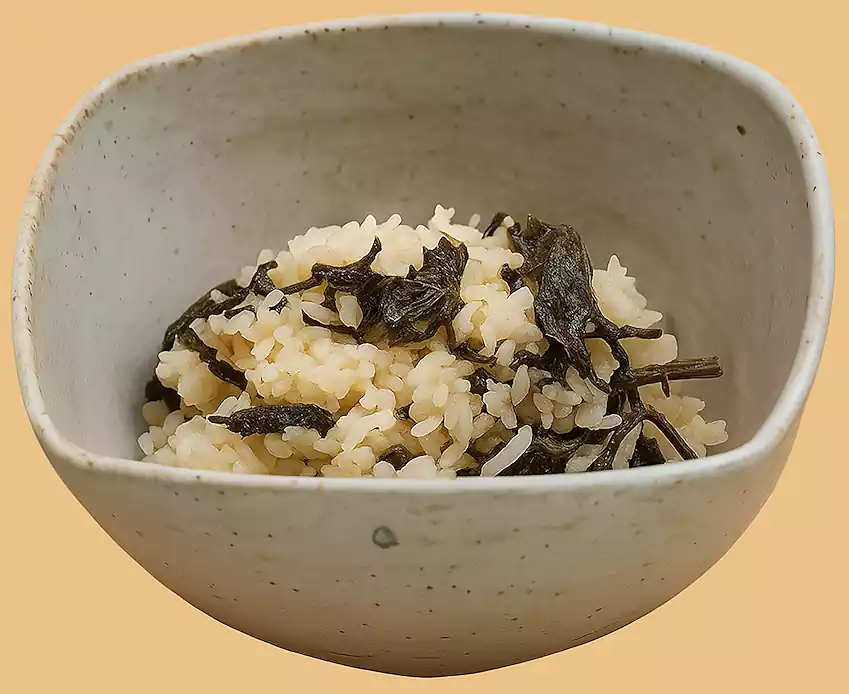
① Cut blanched gondeure into 5 cm lengths.
② Soak washed rice.
③ Sauté gondeure with perilla oil and soy sauce.
④ In a pot or rice cooker, add rice, water, sesame oil, and salt. Add gondeure on top before cooking.
3. Gomchwi Ssambap – Aromatic Korean Lettuce Wraps
- Popular in Korean Temple Food, gomchwi is a wild herb with vibrant fragrance and cleansing properties.
- It embodies the calm and earthy character of vegan Korean food, especially when paired with fermented sauces.
(1) Ingredients
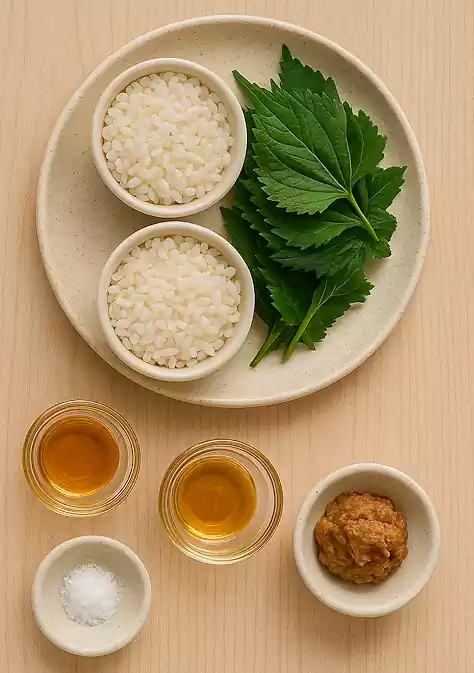
- 20g gomchwi leaves
- 2 cups soaked rice
- 1 tbsp doenjang (fermented soybean paste)
- ½ tbsp rice syrup
- 1 tbsp sesame oil
- Salt to taste
(2) Instructions

① Cook rice.
② Blanch gomchwi and rinse in cold water.
③ Mix doenjang, syrup, and oil for the ssamjang (wrap sauce).
④ Mix chopped gomchwi stems with rice and seasoning.
⑤ Wrap rice in gomchwi leaves and top with ssamjang.
4. Dureup Jeon – Korean Angelica Pancakes
Dureup symbolizes the fleeting gifts of spring. In Korean Temple Food, it’s often lightly fried to preserve its natural bitterness and healing qualities. As part of vegan Korean food, it’s a powerful, plant-based treat.
(1) Ingredients
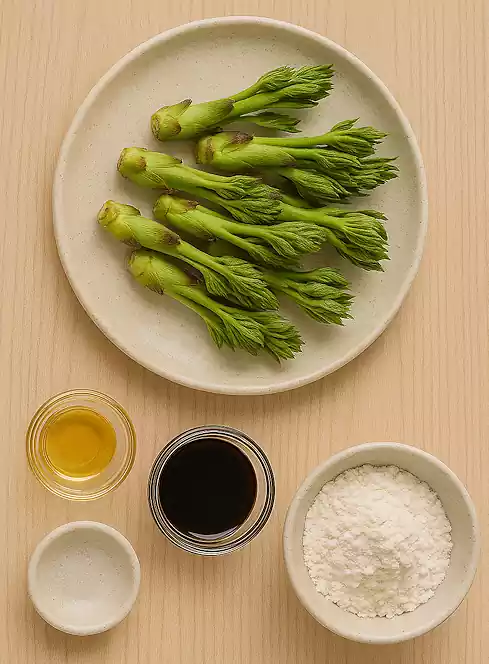
- 120g dureup, blanched
- 2 tbsp flour
- ¼ cup water
- ⅔ tbsp homemade soy sauce
- A drizzle of perilla oil
(2) Instructions
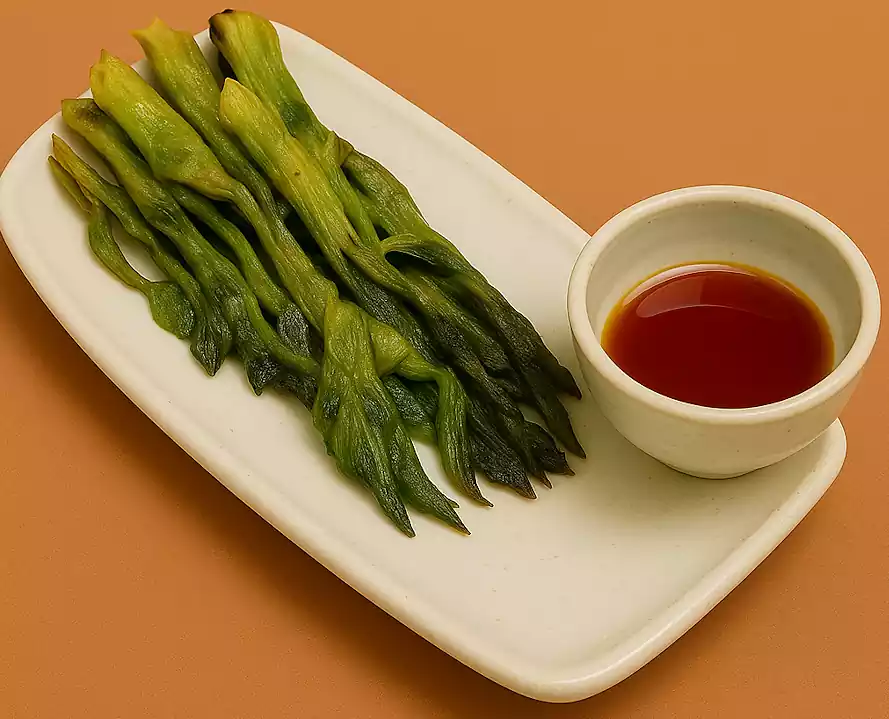
① Dry the blanched dureup.
② Make a light batter with flour, soy sauce, and water.
③ Pan-fry in perilla oil until golden and crispy.
5. Bangpung Namul Jangajji – Preserved Korean Parsley
Pickling is central to Korean Temple Food traditions, offering ways to extend gratitude for nature’s gifts. This preserved herb is a delicious example of sustainability in vegan Korean food culture.
(1) Ingredients
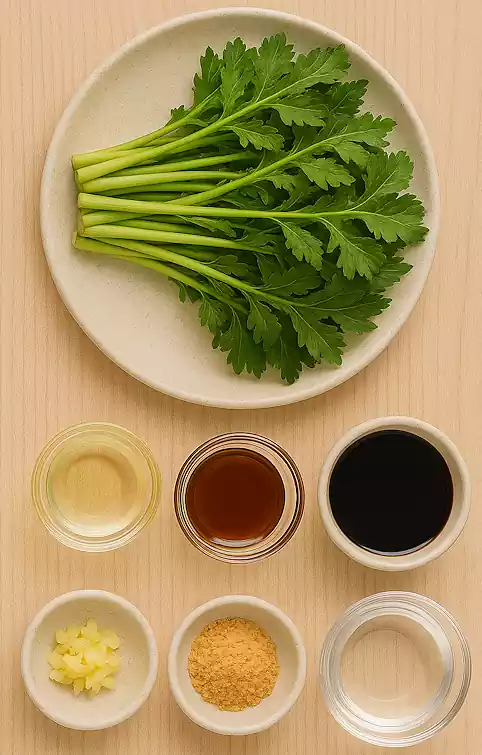
- 230g bangpung (Korean parsley)
- ⅔ cup soy sauce
- ⅔ cup homemade soy sauce
- 1 cup water
- ¼ cup plum enzyme syrup
- 2 tbsp brown sugar
- 2 tbsp vinegar
- 20g ginger
(2) Instructions
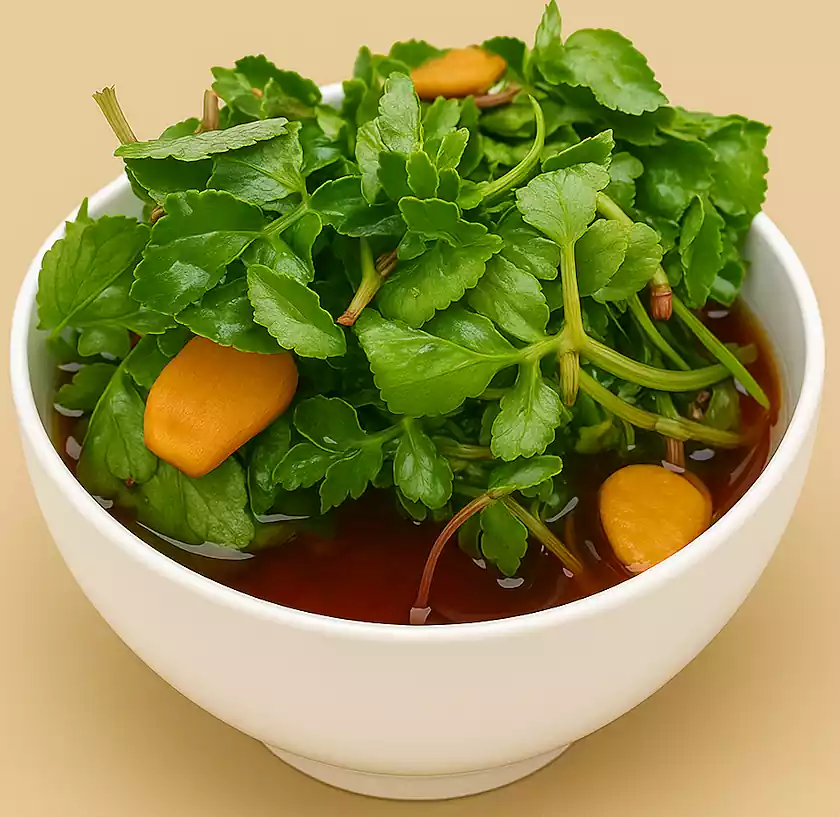
① Slice ginger. Boil with all liquids and seasonings.
② Add prepared bangpung and let it marinate for 1 week.
6. Jaepi Jangtteok – Korean Pepper Leaf Pancakes
Known for their gentle aroma, jaepi leaves are a rare gem in Korean Temple Food. Their delicate flavor combines beautifully with doenjang and gochujang, enriching the world of vegan Korean food with subtle complexity.
(1) Ingredients
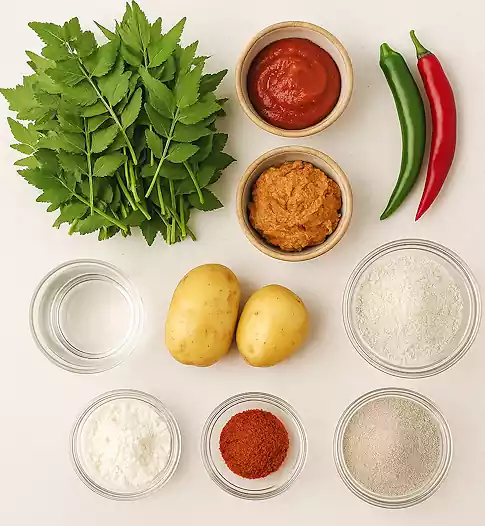
- 50g jaepi leaves, 20g gochujang
- 60g doenjang, 70g potato
- 2 red and 2 green chili peppers
- 40g flour, 30g buckwheat flour
- 5g chili powder, 100g water
(2) Instructions

① Finely chop all vegetables.
② Mix with remaining ingredients to form a batter.
③ Cook on a heated pan until crisp and golden.
7. A Final Note: Nourishment Beyond the Plate
These spring recipes aren’t just about food—they offer a taste of a way of life. Each dish celebrates the season’s natural gifts and invites us to eat with intention. Korean temple food teaches us to live in harmony with the earth, honor what we consume, and find stillness in the everyday.
Bring a bit of that peace to your table this spring.


