
Among Korea’s most revered rulers, Sejong the Great is celebrated not only for his cultural and political reforms but also for his pioneering work in astronomy. His reign marked a golden era for Joseon Dynasty science, where the heavens were studied with precision to benefit governance and everyday life. This article delves into how Sejong the Great astronomy initiatives shaped Korea’s understanding of time, seasons, and celestial order.
1. Why Sejong the Great Astronomy Mattered in Joseon Dynasty Science
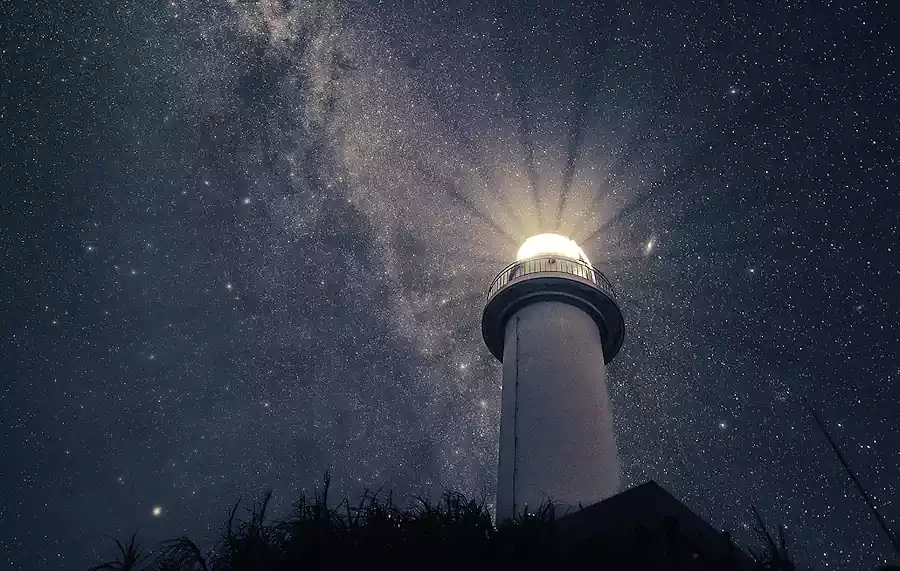
In East Asian tradition, celestial phenomena were directly linked to a ruler’s legitimacy. Sejong the Great astronomy efforts weren’t driven by personal curiosity but by a profound political and philosophical agenda. He believed that by mastering the skies, the state could reflect natural harmony – a key concept in Joseon Dynasty science.
By rejecting blind adoption of Chinese calendars, Sejong initiated a uniquely Korean approach to astronomy. His actions redefined Joseon Dynasty science as an independent and practical system rooted in local geography and seasonal patterns.
[adinserter block=”1″]
2. Instruments That Defined Sejong the Great Astronomy
2.1 Ganuidae – The Celestial Observation Platform
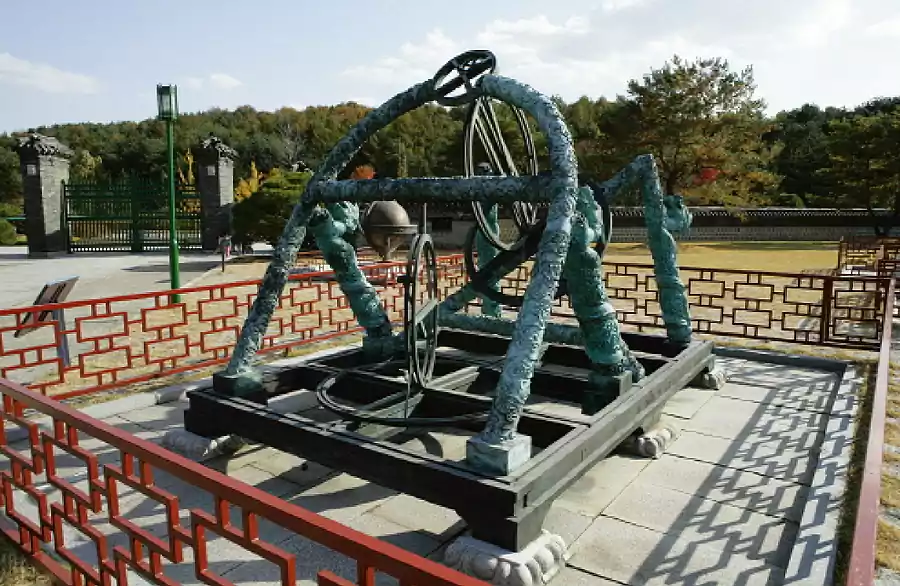
Built within Gyeongbokgung Palace, the Ganuidae was a monumental installation where scholars observed stars and the sun, marking a milestone in Sejong the Great astronomy.
2.2 Gyu-Pyo – Measuring Shadows to Track Seasons
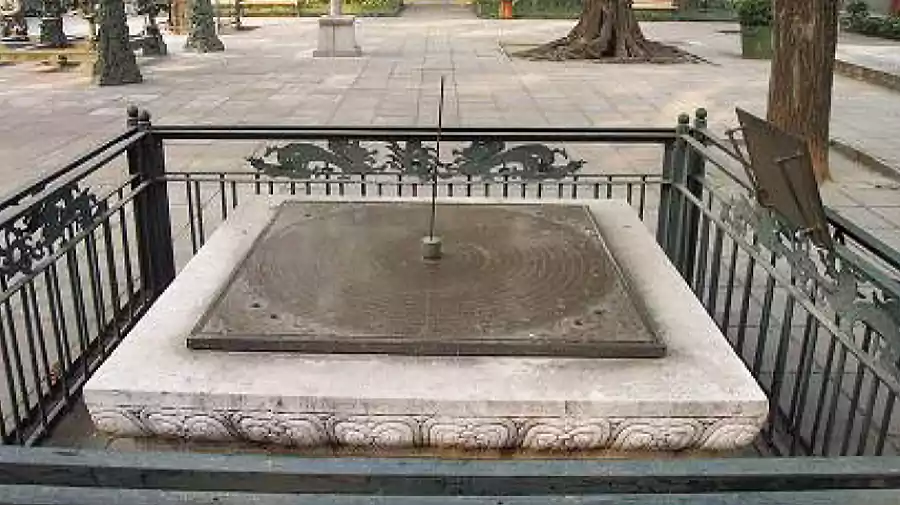
This vertical sundial helped farmers align with seasonal cycles, showing how Joseon Dynasty science served agriculture.
2.3 Angbu Ilgu – The People’s Sundial

Installed in public spaces, this tool made Sejong the Great astronomy accessible to all, reinforcing the idea of “science for the people.”
2.4 Ilseong Jeongsiui – Day and Night Precision Timekeeping
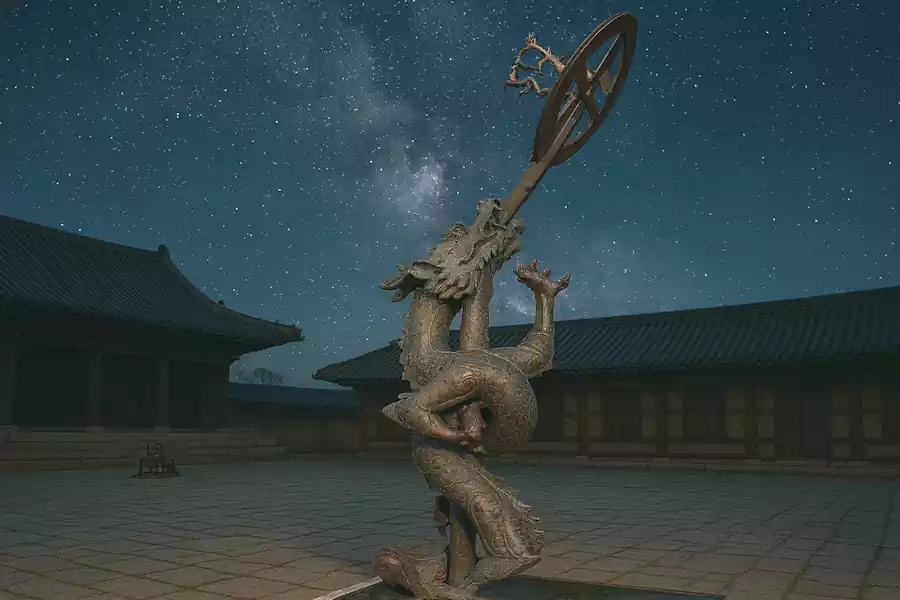
By combining sunlight and starlight to measure time, this invention exemplified the brilliance of Joseon Dynasty science in practical innovation.
[adinserter block=”2″]
3. Scientific Methods of Sejong the Great Astronomy

3.1 Polar Alignment and Star Tracking
Astronomers fixed tools toward Polaris to track stellar angles — a technique that reflects the analytical depth of Joseon Dynasty science.
3.2 Measuring the Sun’s Noon Altitude
This method determined seasonal shifts, enabling accurate calendar creation — a core purpose of Sejong the Great astronomy.
3.3 24-Hour Time Division via Star and Sun
Joseon Dynasty science valued balance; day and night were equally measured to structure daily life with astronomical accuracy.
3.4 Data Recording and Standardization
Sejong demanded consistent logging of celestial events, a practice that brought rigor to Sejong the Great astronomy and inspired future scholars.
4. Lasting Contributions of Joseon Dynasty Science Under Sejong
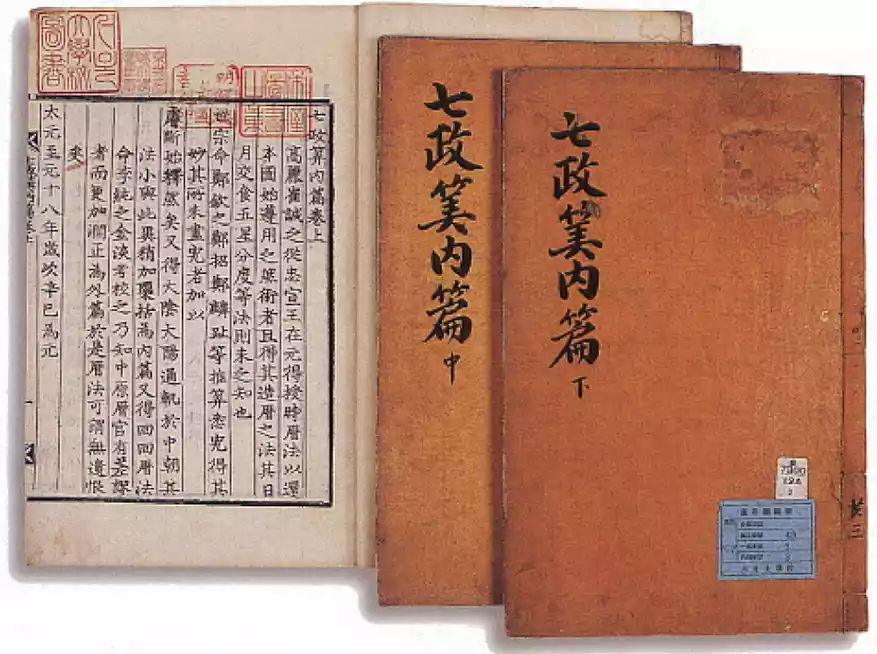
One of the greatest achievements of Sejong the Great astronomy is the Chiljeongsan (Calculations of the Seven Celestial Bodies). This Korean-made astronomical text reflected the maturity of Joseon Dynasty science.
Sejong’s reign also documented a “Guest Star” (likely a supernova) in 1437 — an extraordinary feat in early global astronomy. These records are among the most precise in East Asia, underscoring the scientific excellence of Sejong the Great astronomy.
5. Modern Relevance of Sejong the Great Astronomy and Joseon Dynasty Science
What makes Sejong the Great astronomy remarkable is its humanistic spirit. Without telescopes or modern tools, Sejong’s team measured the skies with discipline and purpose. They proved that Joseon Dynasty science was not just about knowledge — it was about applying that knowledge to improve life.
Their legacy still resonates today, reminding us that science thrives when it serves people, respects nature, and seeks harmony.
[adinserter block=”3″]
6. Conclusion: A Scientific Vision That Transcended Time
Sejong the Great astronomy is a powerful symbol of Korea’s scientific roots and intellectual independence. As part of the broader tradition of Joseon Dynasty science, it reflects how rulers and scholars used reason and observation to align society with the cosmos. From star-tracking to timekeeping, their achievements continue to inspire modern scientific values.


