
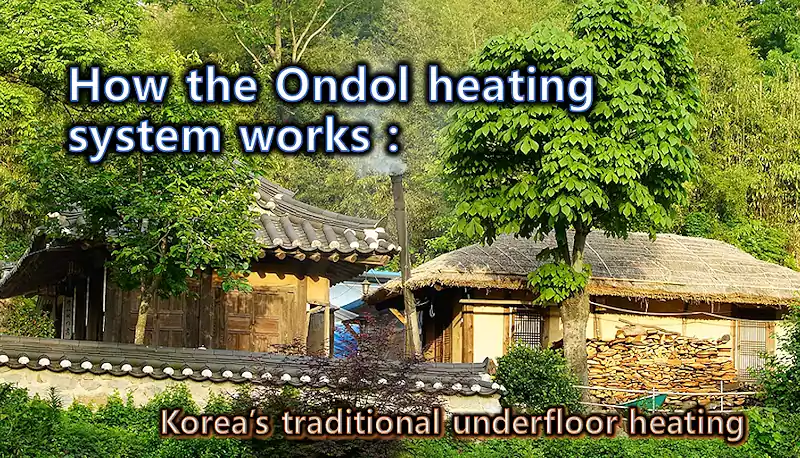
Korean winters can be sharp: low temperatures, biting wind, and long nights. Yet traditional homes found a calm, reliable answer by warming the floor first, then letting that warmth rise naturally. In this guide, we’ll unpack the logic of the Ondol heating system and show why it still matters in the age of high-tech insulation – especially when you view it as a complete package of Korea’s traditional underfloor heating.
1. Ondol Heating Structure: A Refined System Design

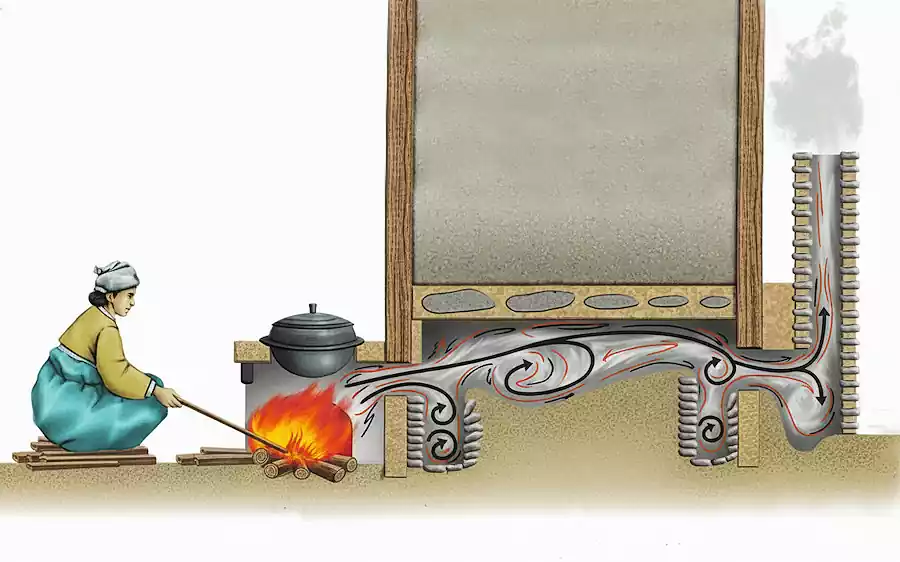
(1) The scientific link between the firebox and the flue channels
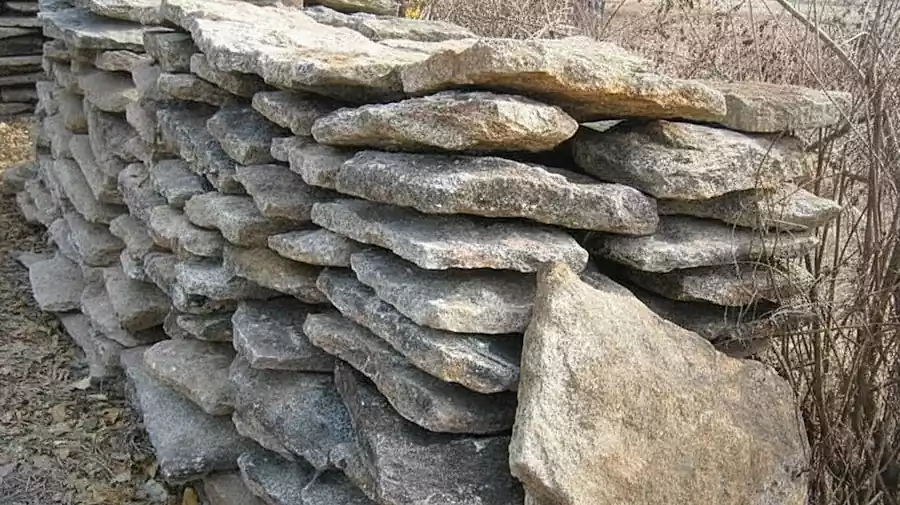
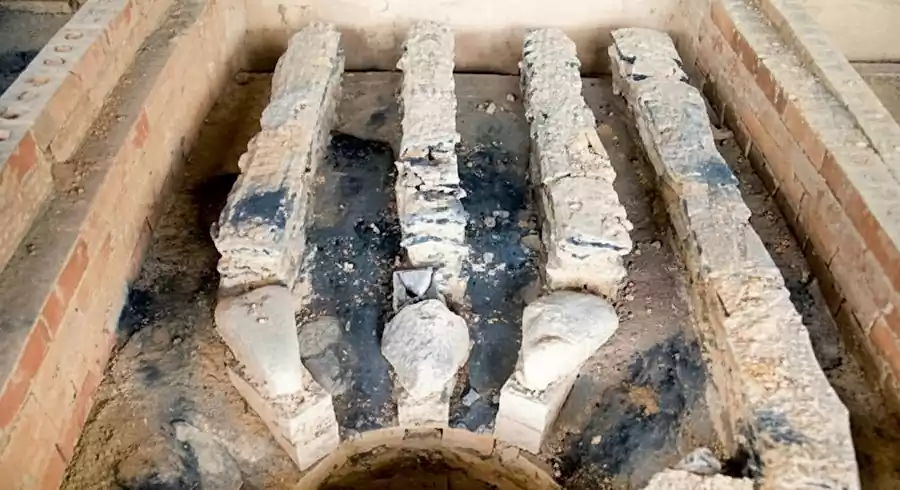
The heating route begins at the firebox (agungi), runs under the heated floor stones (gudeuljang), and ends at the chimney. When a fire is lit, hot gases don’t simply vanish upward – they are guided through subfloor flue channels called gorae.
These channels are carefully designed rather than randomly built. Their length and layout encourage hot air to travel while lingering just enough to spread heat across the full floor surface. The result is even warmth – less “hot corner / cold corner,” more steady comfort.
(2) A structure designed to minimize heat loss
A key idea is to keep valuable heat working inside the house for as long as possible. Instead of dumping heat into open air, the system stores it beneath the floor and releases it gradually upward. With the this traditional system, the floor layers act like a buffer: heat is absorbed, held, and delivered slowly, which helps maintain warmth with less fuel.
(3) Similarities to modern heating technology
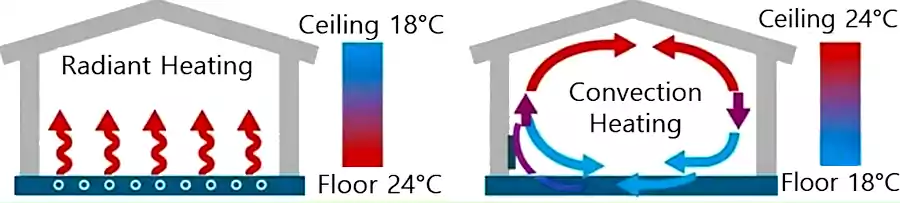
If you’ve used radiant floor heating in a modern home, the “feeling” is immediately familiar. Like hydronic boilers that circulate warm water under the floor, Ondol spreads heat over a wide surface area. The difference is that traditional design relies on airflow paths and thermal mass rather than pumps, valves, and electronics – making it a surprisingly elegant, low-mechanical solution.
2. How the Ondol Heating System Works: Core Principles
(1) Long-lasting warmth powered by thermal mass
Why does the room stay warm long after the fire calms down? Because stone, clay, and mortar store heat and release it slowly. That’s thermal mass in action, and it’s one of the reasons Korea’s traditional underfloor heating feels “deep” and persistent rather than quick-and-fleeting.
(2) A physics-based system, not a simple “fire under the room”
At a glance, it sounds simple: heat under the floor. But the performance comes from layered physics – heat conduction through stone, heat storage in dense materials, and controlled release into the living space. Once you understand this, you stop seeing Ondol as an old-fashioned trick and start seeing it as a real engineering strategy.
3. Traditional insulation and Ondol working as one in Korea’s traditional underfloor heating
(1) Insulation that follows nature, not machines
Ondol is powerful, but it shines brightest when the whole house supports it. Hanok design uses breathable materials and climate-aware shapes: thick earthen walls, wood framing, paper doors (often hanji), and deep eaves that manage sun and wind by season. These elements reduce drafts and slow heat loss without turning the home into an airtight box.
(2) A complementary relationship: heating below, insulation around
Think of it as teamwork. The floor produces gentle radiant warmth, while the envelope prevents that warmth from escaping too quickly. When insulation and layout cooperate, Korea’s traditional underfloor heating becomes more stable – less refiring, fewer temperature swings, and a room that “holds” comfort.
(3) An extra benefit: moisture reduction and mold prevention
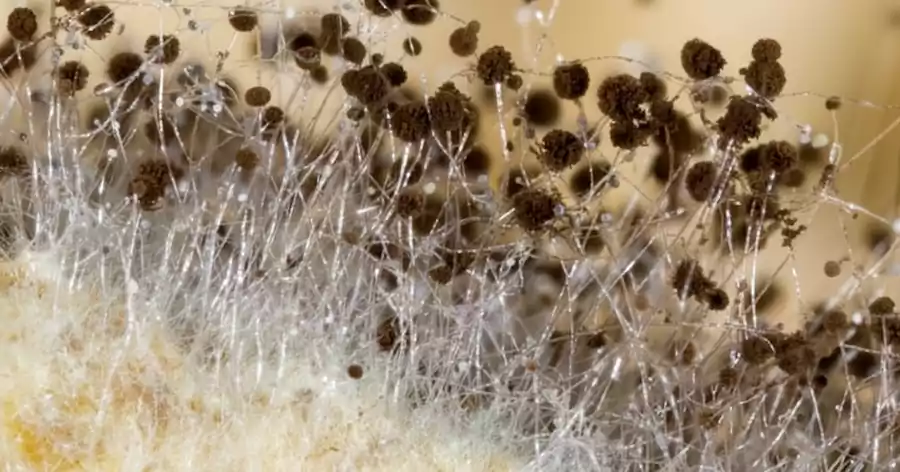
Floor warming can also support a drier indoor environment. As the subfloor layers warm, moisture can evaporate more easily, and surfaces are less likely to stay cold and damp. While modern homes address moisture with ventilation and dehumidification, traditional floors often helped in a quieter, material-driven way.
4. Modern insulation compared with Korea’s traditional underfloor heating
(1) Airtight insulation today vs. material-driven performance then
Modern houses often lean on foam insulation, spray polyurethane, and double or triple glazing to cut heat loss. Add airtightness, and you can hold temperature efficiently – but you also need careful ventilation planning to avoid stale air or hidden condensation. In contrast, traditional homes aimed for a balance: enough protection from wind and cold, while still allowing the building to “breathe.”
(2) What modern radiant floors can learn
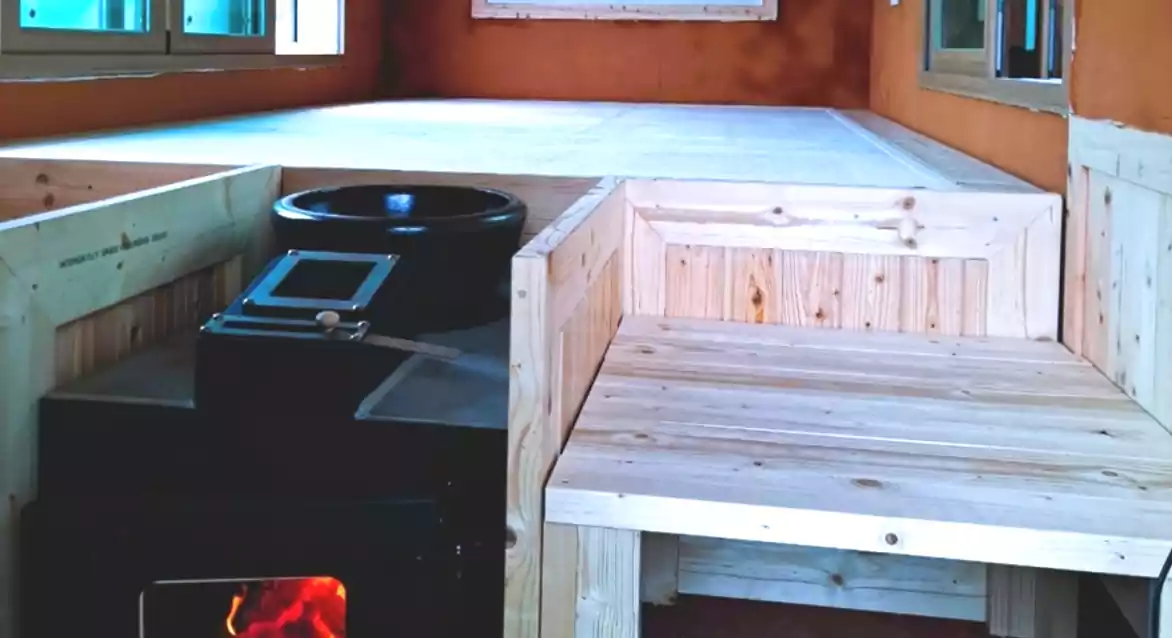
Today’s radiant floors are excellent, but the biggest lesson from Ondol is holistic design. It’s not only about generating heat; it’s about where heat travels, how long it stays, and how the building keeps it from leaking away. When modern systems copy that mindset, they approach the comfort profile of the this heating method – steady, quiet, and floor-first.
※ Discover Why K-Dramas Rule the World of Entertainment
5. A sustainable lesson hidden in tradition
Hanok design shows that “efficient” does not always mean “complex.” By integrating heat routing, thermal storage, and envelope performance, the Ondol heating system demonstrates a low-energy comfort philosophy that still feels modern. Seen through the lens of Korea’s traditional underfloor heating, Ondol becomes more than history – it becomes a practical blueprint for resilient, human-centered warmth.
※ Ondol Principle: Flames travel under the floor (Gudeul), warming the room evenly, with smoke exiting via chimney. Cooks and heats in one go!
※ Discover : Ondol & Maru : Secrets of Korean Hanok