

Korea’s café scene works because the café matches real schedules. Many people in Korea juggle long commutes, dense neighborhoods, and fast social plans, so the café becomes a practical “in-between” place. A café gives a person a neutral space to talk, study, wait, work, or simply breathe for a moment.
Korean Coffee Culture also blends convenience with identity. A person can grab a quick cup from a takeout spot, a convenience store, or a neighborhood café, and that same person can still treat the drink as a small personal ritual. This mix of speed and meaning is a big reason coffee stays central.
1. Korea’s coffee boom and the reasons it keeps growing
(1) A habit that looks like a social system
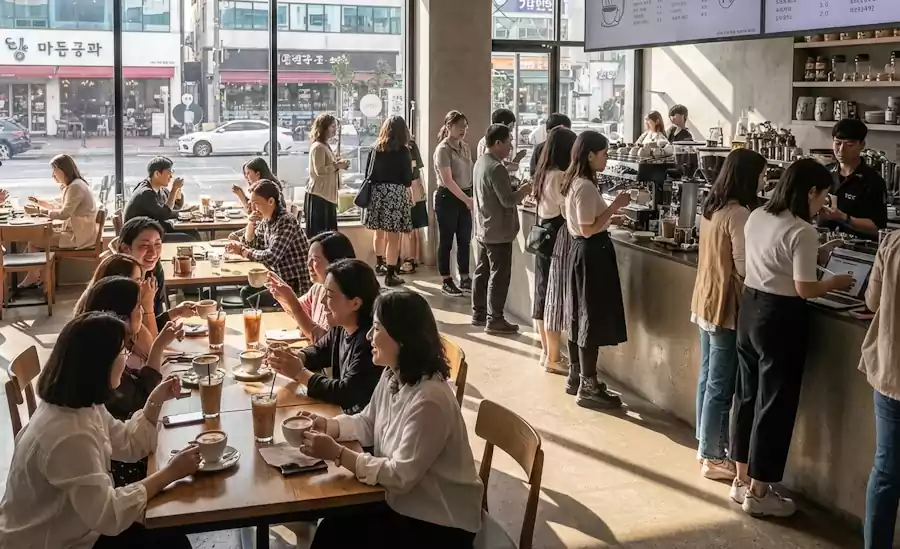
A visitor can walk through a Korean neighborhood and spot cafés the way other cities spot convenience stores. Many Koreans treat a coffee stop as a daily checkpoint, and many groups treat a café as a neutral place to talk, work, or rest. Korean coffee culture has grown beyond taste, because the routine supports modern schedules and modern relationships.
(2) Alertness meets atmosphere

A working adult often wants quick energy, and a student often wants steady focus. A friend group also wants a comfortable place that does not pressure anyone to leave too soon. A café can satisfy all three needs, so the coffee cup becomes both a stimulant and a social signal.
2. What caffeine does in the brain, explained in plain language
(1) Why caffeine can feel like “borrowed wakefulness”
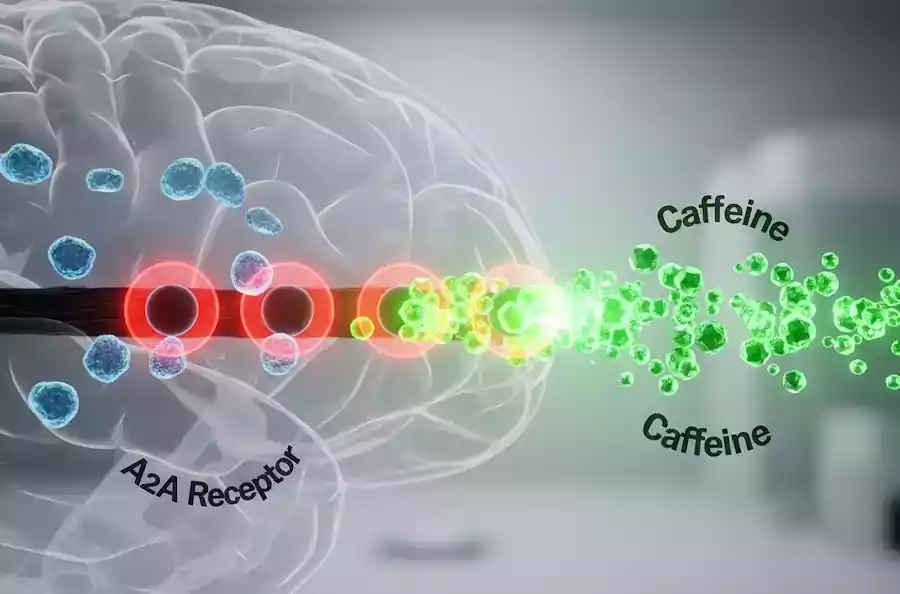
The brain builds sleep pressure as the day continues, and the brain uses chemical signals to express that pressure. Caffeine can interrupt that message, so the brain feels less tired for a while. Many readers look for the caffeine effects on the brain here, because the core story is simple: caffeine changes the way the brain reads fatigue.
(2) Why mood can rise along with attention

A coffee drinker often notices more than energy. A coffee drinker can feel a small lift in motivation, because caffeine can influence neurotransmitter activity tied to drive and reward. That lift does not last forever, but that lift can make a hard morning feel manageable.
(3) Why tolerance happens

A daily habit trains the body to adapt. A regular coffee drinker can need more caffeine to feel the same effect, because the brain tries to balance repeated stimulation. This adaptation can quietly turn “one cup” into “two cups” without the person noticing.
3. When “more caffeine” stops helping and starts hurting
(1) Jitters, anxiety, and heart sensations
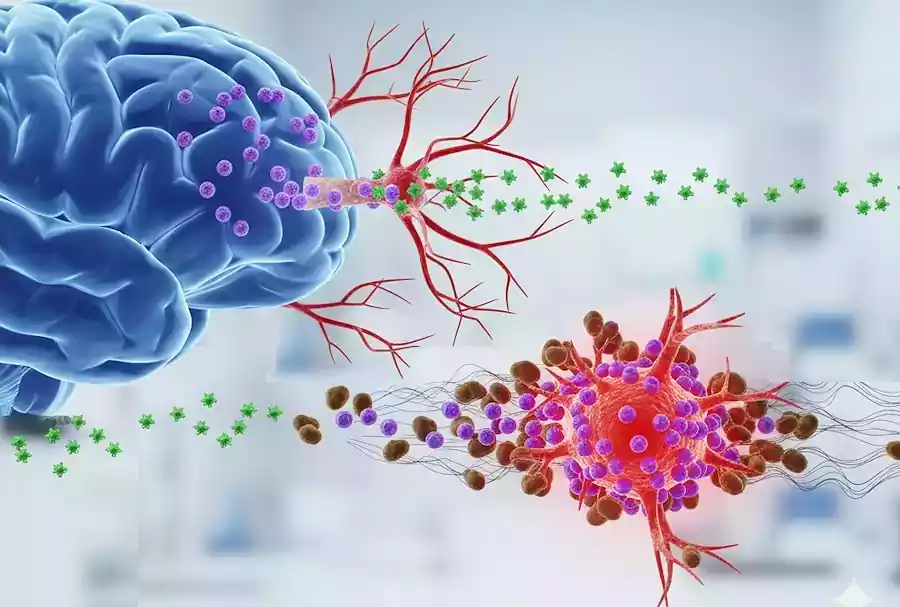
Some people handle caffeine well, and some people feel shaky after a single strong drink. A sensitive person can feel nervous energy, racing thoughts, or a fast heartbeat. Those reactions matter, because the caffeine effects on the brain can spill into the whole nervous system when the dose climbs.
(2) Stomach discomfort and dehydration-like feelings

Some bodies respond to coffee with stomach acid changes or reflux symptoms. Some bodies also respond with frequent urination, which can make a person feel unexpectedly drained. A person who eats lightly and drinks strong coffee can feel those effects even more.
(3) Practical guardrails that protect daily life
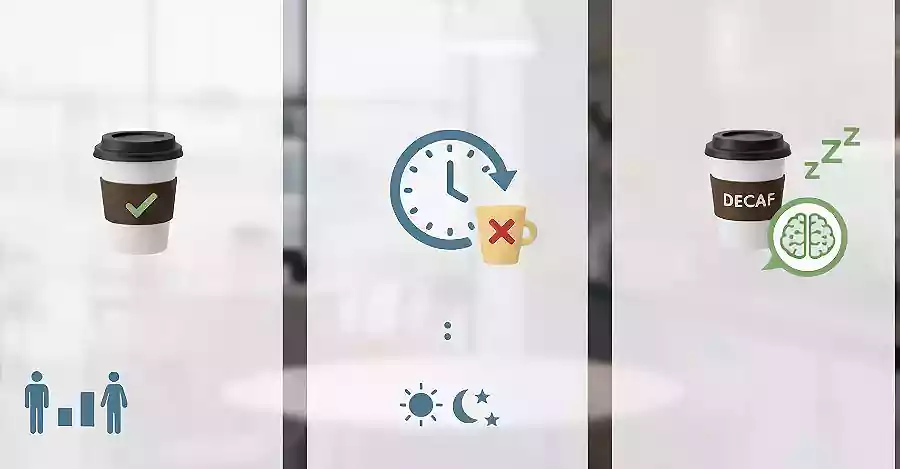
A person can protect sleep by setting a caffeine cut-off time in the afternoon. A person can also alternate regular coffee with smaller servings or decaf options. These simple guardrails matter, because the caffeine effects on the brain do not stop at 5 p.m. just because the workday ends.
4. A sustainable way to enjoy coffee as comfort, not as pressure

Many Koreans call coffee a small comfort, and that comfort has real emotional value. A person can keep the comfort by paying attention to timing, dose, and personal sensitivity. Korean coffee culture stays enjoyable when a person chooses coffee as a tool, not as a crutch.
5. Research spotlight: sleep quality, memory processing, and late-day caffeine

Sleep is not passive, because sleep is when the brain sorts information and strengthens learning. Late caffeine can reduce sleep depth for some people, and lighter sleep can weaken memory consolidation after a busy day. The caffeine effects on the brain matter here, because the brain needs uninterrupted cycles to store new memories efficiently. Korean coffee culture often includes late study sessions and late meetings, so this sleep topic feels especially relevant to modern routines.
※ Coffee time is perfect for a quick dose of history. This link introduces King Sejong’s astronomical instruments and how Joseon scientists measured the sky and time.
6. Closing thoughts
A coffee habit can support focus, mood, and social connection, but a coffee habit can also damage sleep when the habit becomes automatic. Korean coffee culture can remain a healthy pleasure when a person treats caffeine with the same respect they give to rest. The safest long-term choice comes from understanding the caffeine effects on the brain and building a routine that protects both energy today and memory tomorrow.
※ For research-backed coffee knowledge, I recommend World Coffee Research. It covers coffee varieties, farming, and sustainability in a clear way.