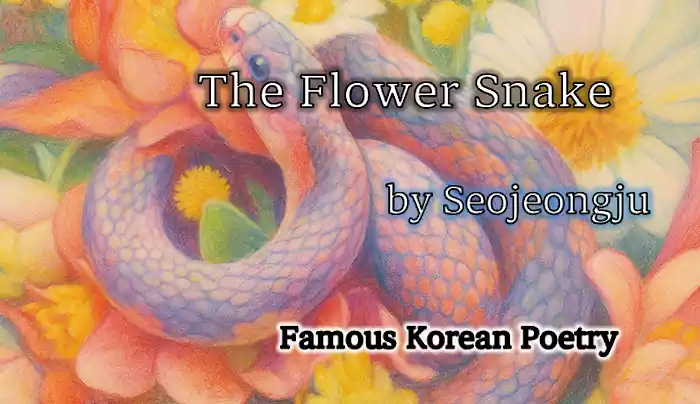
Explore Hwasa by Seojeongju, a profound piece of Famous Korean Poetry. This guide unveils its symbolic depth, mythic imagery, and emotional layers through a modern translation and literary insights.
1. 서정주가 소개하는 화사
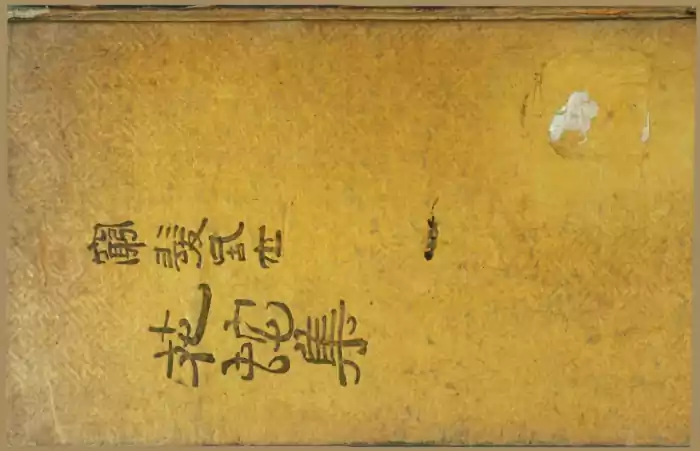
- Hwasa by Seojeongju is a landmark in 20th-century Korean literature. Written by Seojeongju (1915–2000), one of Korea’s most acclaimed poets, the poem explores deep psychological themes using rich natural and mythological imagery.
- Unlike many of his contemporaries who focused on nationalism or realism, Seojeongju chose to delve into the realms of sensuality, original sin, and human complexity.
- This article explores the cultural and poetic significance of Hwasa by Seojeongju, one of the most celebrated works in the canon of Famous Korean Poetry.
2. 시의 상징적 힘
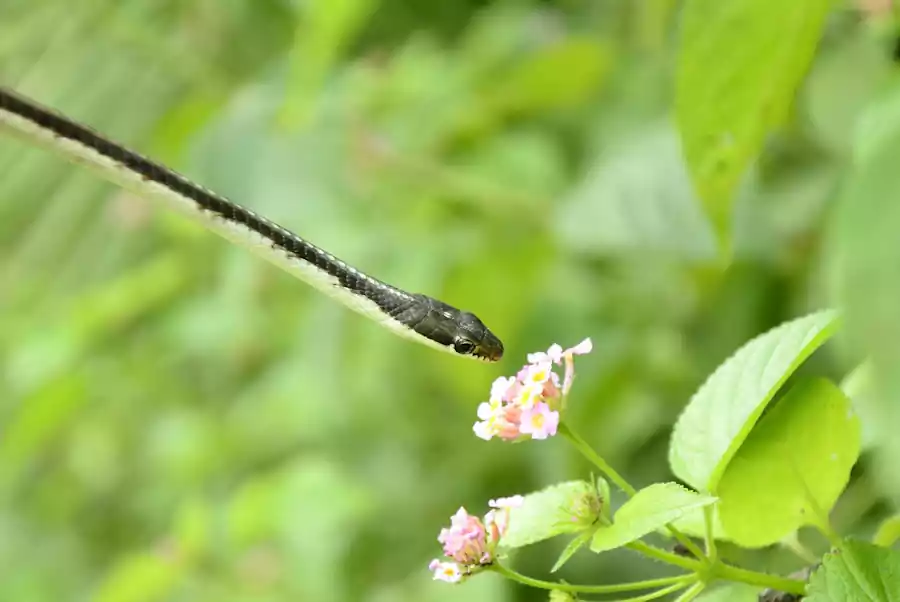
- The language of Hwasa by Seojeongju evokes both beauty and horror, exploring the coexistence of desire and disgust.
- The “flower snake” emerges as a complex symbol – alluring yet dangerous, much like the myths it alludes to.
- In the poem, the snake is described with conflicting imagery: it is “repulsive” yet possesses a beauty comparable to a “blooming flower.”
- This juxtaposition is a defining characteristic of Famous Korean Poetry, where spiritual and sensual elements often merge.
- The poet uses visceral terms like “red maw” and “musky mint” to create an atmosphere that is both suffocating and intoxicating, reflecting the raw energy of the “Life School” (Saengmyeong-pa) of Korean literature.
화사 (서정주)
사향 박하의 뒤안길이다
아름다운 배암….
을마나 크다란 슬픔으로 태어났기에, 저리도 징그러운
몸뚱아리냐
꽃다님 같다
너의 할아버지가 이브를 꼬여내던 달변의 혓바닥이
소리 잃은 채 낼룽거리는 붉은 아가리로
푸른 하늘이다…… 물어뜯어라, 원통히 물어뜯어,
달아나거나, 저놈의 대가리!
돌팔매를 쏘면서, 쏘면서, 사향 방초길
저놈의 뒤를 따르는 것은
우리 할아버지의 아내가 이브라서 그러는 게 아니라
석유 먹은 듯…… 석유 먹은 듯….. 기쁜 숨결이야
바늘에 꼬여 두를까부다. 꽃대님보다도 아름다운 빛….
크레오파트라의 피 먹은 양 붉게 타오르는
고운 입술이다…… 스며라! 배암
우리 순네는 스물 난 색시, 고양이같이 고운 입술……
스며라! 배암.
3. 한국어-영어 번역을 나란히 비교
- Below is the complete text of the poem. The side-by-side format allows you to appreciate the rhythmic structure of the original Korean alongside its meaning in English.
| 한글 원문 (Original) | 영어 번역 (English) |
|---|---|
| 사향 박하의 뒤안길이다 | Down the musky mint’s hidden path, |
| 아름다운 배암…. | Beautiful flower snake… |
| 을마나 크다란 슬픔으로 태어났기에, 저리도 징그러운 | Born of such vast sorrow, so repulsive |
| 몸뚱아리냐 | Is your writhing body? |
| 꽃다님 같다 | Like a blooming flower, |
| 너의 할아버지가 이브를 꼬여내던 달변의 혓바닥이 | Your ancestor’s silver tongue that lured Eve, |
| 소리 잃은 채 낼룽거리는 붉은 아가리로 | Now voiceless, wriggling with a red maw, |
| 푸른 하늘이다…… 물어뜯어라, 원통히 물어뜯어, | Bites the blue sky… Tear it, tear it with rage, |
| 달아나거나, 저놈의 대가리! | Flee, or crush that beast’s head! |
| 돌팔매를 쏘면서, 쏘면서, 사향 방초길 | Hurling stones, chasing down the musky path, |
| 저놈의 뒤를 따르는 것은 | Following its trail, |
| 우리 할아버지의 아내가 이브라서 그러는 게 아니라 | Not because our ancestor’s wife was Eve, |
| 석유 먹은 듯…… 석유 먹은 듯….. 기쁜 숨결이야 | But for the oil-soaked, oil-soaked joyous breath. |
| 바늘에 꼬여 두를까부다. 꽃대님보다도 아름다운 빛…. | Twisted on a needle, more radiant than flowers… |
| 크레오파트라의 피 먹은 양 붉게 타오르는 | Burning red, as if fed by Cleopatra’s blood, |
| 고운 입술이다…… 스며라! 배암 | Those exquisite lips… Seep in, flower snake! |
| 우리 순네는 스물 난 색시, 고양이같이 고운 입술…… | Our Suni, a twenty-year bride, with cat-like lips… |
| 스며라! 배암. | Seep in, flower snake! |
4. 문화적 및 역사적 배경
- Written during a turbulent era of Japanese occupation, Hwasa by Seojeongju reflects more than personal introspection.
- Although it doesn’t explicitly address colonialism, the underlying tension and emotional complexity speak to a generation caught between tradition and modernity.
- Within the framework of Famous Korean Poetry, this poem stands apart for its mythic structure and universal themes.
- The “flower snake” recalls the serpent of Eden, reimagined in a Korean context with unique sensual undertones.
5. 주제와 해석
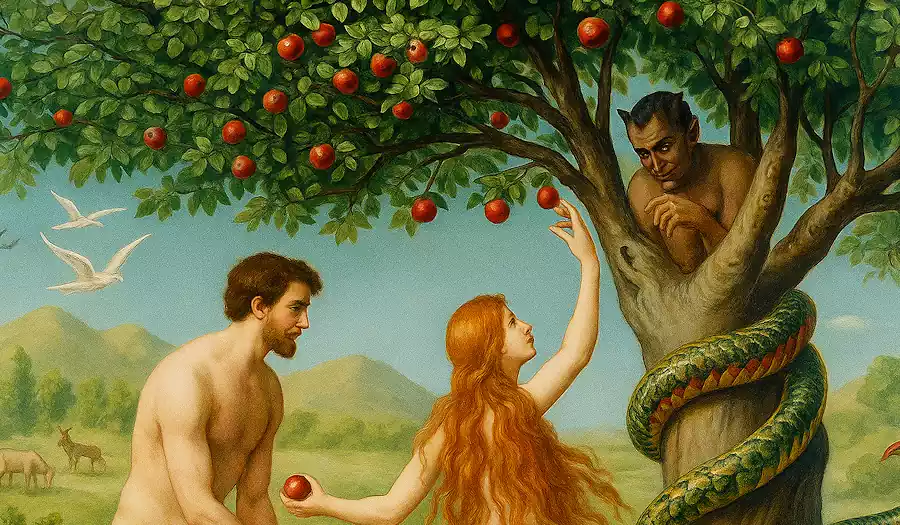
- Several key motifs emerge from Hwasa by Seojeongju
(1) Beauty and Pain
The snake’s body is described with both admiration and revulsion, a tension central to the emotional depth of Famous Korean Poetry.
(2) Temptation and Guilt
References to Eve, Cleopatra, and other historical or mythical figures reinforce the poem’s exploration of feminine allure and moral consequence.
(3) Life and Death Instincts
The poem’s speaker is both terrified and entranced, echoing a Freudian struggle between eros and thanatos.
(4)Desire for the Forbidden
Commands like “Seep in, flower snake!” show a conscious surrender to passion, typical of Hwasa by Seojeongju’s raw emotional tone.
6. 문학적 기법과 문체
- Hwasa by Seojeongju is notable for its stark imagery and rhythmic energy. Phrases like “biting the blue sky” and “fed by Cleopatra’s blood” create an immersive experience.
- Seojeongju’s technique is subtle yet powerful, using repetition and metaphor to evoke both intimacy and danger.
- Such poetic precision exemplifies the mastery found in Famous Korean Poetry.
- Moreover, the poem’s voice alternates between awe, command, and reflection.
- This fluidity allows readers to interpret the text from various angles – personal, cultural, and even theological.
- It’s this layered approach that makes Hwasa by Seojeongju such a standout within Korean literary history.
7. Why Hwasa by Seojeongju Endures
- More than seven decades after its creation, Hwasa by Seojeongju still captivates readers with its timeless themes and emotive force.
- In an era where identity and expression are increasingly complex, the poem’s ability to blend myth, sensuality, and sorrow remains profoundly relevant.
- As one of the most studied examples of Famous Korean Poetry, it continues to influence new generations of poets and scholars alike.
※ Continue your journey into Korean literature. Explore another essential work from the colonial era that captures the heart of the Korean people.
8. Conclusion
Hwasa by Seojeongju is more than a poem – it is a living testament to the power of language and symbolism. Its sensual imagery, emotional complexity, and mythical undertones place it among the finest works of Famous Korean Poetry.
As readers delve into its stanzas, they uncover not just the story of a flower snake, but a deeper reflection on temptation, beauty, and the contradictions of human nature. For anyone seeking to understand the soul of Korean literature, Hwasa by Seojeongju is an essential starting point.


※ To gain a deeper understanding of the historical context behind 20th-century Korean poetry, including the ‘Life School’ movement, check out this detailed overview.