

Kimchi is more than a spicy side dish. It is a living fermented food shaped by salt, time, and beneficial microbes. Understanding the benefits of kimchi fermentation helps explain why this traditional Korean food has gained global attention for both flavor and nutrition.
Kimchi fermentation is the microbial process in which lactic acid bacteria convert vegetable sugars into organic acids, preserving cabbage while creating probiotics and complex flavors.
1. What Is Fermentation in Kimchi?
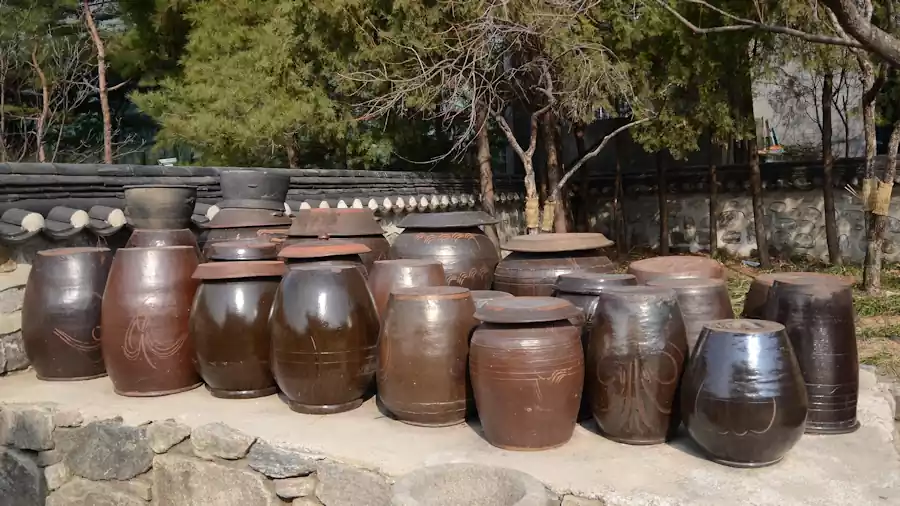
Fermentation in kimchi is a natural process where microorganisms break down sugars in vegetables and create organic acids. This transformation turns fresh cabbage into a preserved and flavorful food. The main microbes involved are lactic acid bacteria, which grow naturally on vegetables.
During the early stages, salt creates an environment where beneficial bacteria thrive while harmful bacteria struggle to survive. Over time, these microbes produce acids that give kimchi its characteristic tangy flavor. This natural preservation method helped Korean families store vegetables through long winters.
2. Why Kimchi Became Famous Worldwide
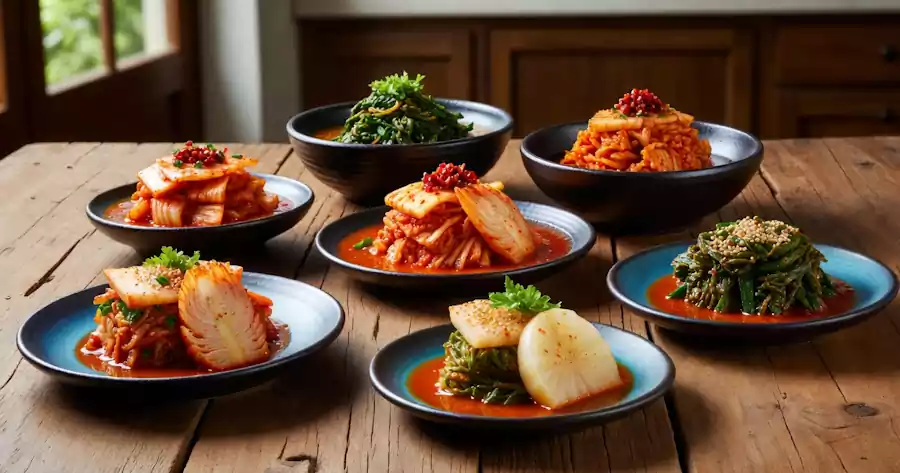
This Korean dish gained global attention because it combines bold flavor with growing interest in fermented foods. Many people discover it while exploring Korean cuisine or learning about probiotic foods. Its bright color and complex taste make it stand out among other fermented vegetables.
Another reason for its popularity is the increasing focus on gut health. Researchers and nutrition experts often discuss the benefits of kimchi fermentation because the process produces probiotic bacteria. As Korean culture spread globally through food, media, and travel, kimchi became one of the most recognized fermented foods.
3. The Science Behind the Process
3.1 Lactic Acid Bacteria
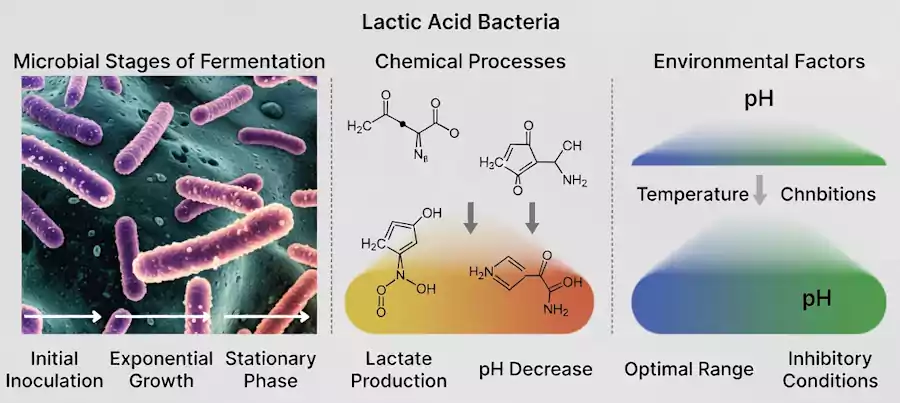
Lactic acid bacteria drive the transformation. These microbes consume natural sugars in cabbage and release lactic acid. The acid lowers the pH of the mixture and creates the sour flavor people associate with fermented kimchi.
3.2 Microbial Stages of Fermentation
Different bacteria dominate at different stages. Early fermentation often involves Leuconostoc spp. (early fermentation bacteria) that produce mild acidity and slight carbonation. Later stages include Lactobacillus spp. (later-stage bacteria) that deepen the sour flavor and stabilize the overall process.
3.3 Environmental Factors
Temperature and salt concentration strongly influence the final result. Warmer temperatures accelerate microbial activity, while cooler environments slow the process and develop deeper flavors. Traditional earthenware jars historically helped maintain these stable conditions.
4. Health and Nutrition
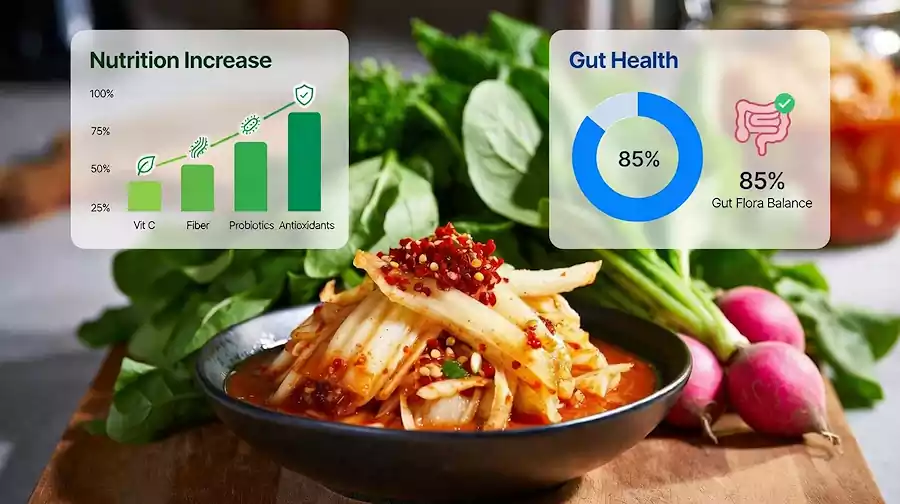
Many people are interested in the benefits of kimchi fermentation because fermentation can support both flavor and nutrition. The process produces probiotics that may help digestive health and support a balanced gut microbiome. Because kimchi is not pasteurized, many of these beneficial microbes remain active.
The benefits of kimchi fermentation may also include improved nutrient availability. As vegetable fibers break down, certain vitamins and compounds can become easier for the body to absorb. These changes contribute to kimchi’s reputation as a nutritious fermented food.
These microbial changes are one reason researchers continue studying fermented foods and their relationship with the human microbiome.
Scientific studies have examined how microbial communities develop during kimchi fermentation and how they influence flavor and nutritional properties.(https://www.ncbi.nlm.nih.gov)
5. Practical Tips for Successful Fermentation
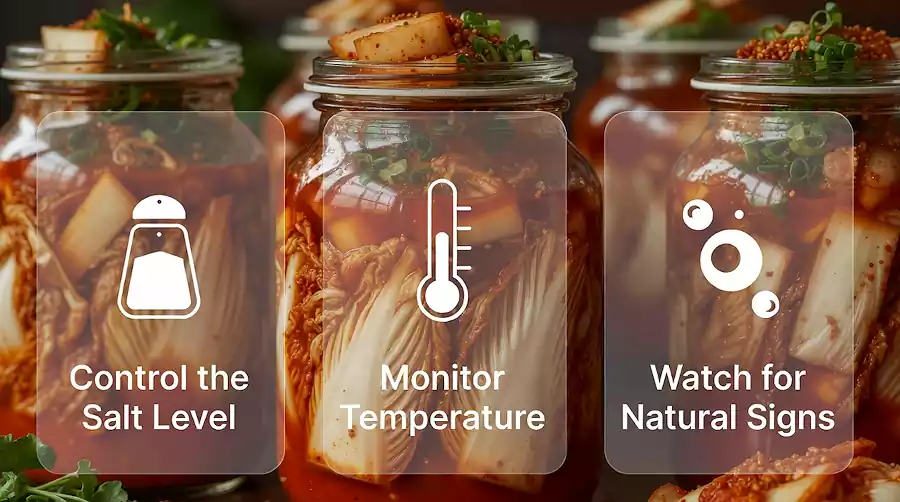
5.1 Control the Salt Level
- Salt regulates microbial activity during fermentation. Too little salt can allow harmful bacteria to grow, while too much salt slows the process excessively.
5.2 Monitor Temperature
- Fermentation usually begins at room temperature for one or two days. Afterward, refrigeration slows the process and helps maintain a balanced flavor.
5.3 Watch for Natural Signs
- Active fermentation often produces small bubbles and a mild sour aroma. Softening cabbage and increased acidity are also normal signs that the process is progressing.
6. Cultural Traditions Behind It

Kimchi is deeply connected to Korean food culture. Families traditionally gather in late autumn to prepare large batches for winter. This practice, called Gimjang, reflects cooperation, food sharing, and community traditions.
Through this seasonal event, fermentation knowledge passes from one generation to the next. Each household develops its own recipe and timing, making every batch slightly unique.
7. Related Topics to Explore

Readers who want to explore this topic further can also learn about several related aspects of Korean fermentation culture:
① The tradition of Gimjang, where families prepare kimchi for winter
② Traditional earthenware jars used for fermentation
③ Different types of kimchi made with radish, cucumber, or leafy greens
※ These topics provide deeper insight into how this food fits within Korean culinary culture. They also help explain the cultural background behind the benefits of kimchi fermentation.
- If you are new to Korean food culture, it may help to understand the basics of kimchi first.
Learn the basics of Korean kimchi and its cultural background
8. Conclusion
Kimchi shows how simple ingredients transform through time and microbial activity. Fresh cabbage gradually becomes a complex, probiotic-rich dish with deep flavor and cultural meaning.
By understanding the science behind the process, readers can better appreciate the health and nutritional advantages created through fermentation and why this traditional Korean food continues to attract global interest. Kimchi is not only a dish – it is a living example of how tradition, flavor, and natural fermentation work together.
※ For a broader overview of kimchi’s origins and cultural background, see the resource below.
Further Reading: What Is Kimchi? Definition, History, and Cultural Meaning