

You may think you understand every scene through K-Drama Subtitles, but something often feels slightly incomplete. That missing layer comes from cultural meanings in K-Drama that rarely translate directly. As a Korean writer, I have studied how dialogue reflects social context beyond words. I have also helped global readers interpret cultural nuances in K-Drama through detailed analysis and real examples.
1. Why K-Drama Subtitles Feel Incomplete
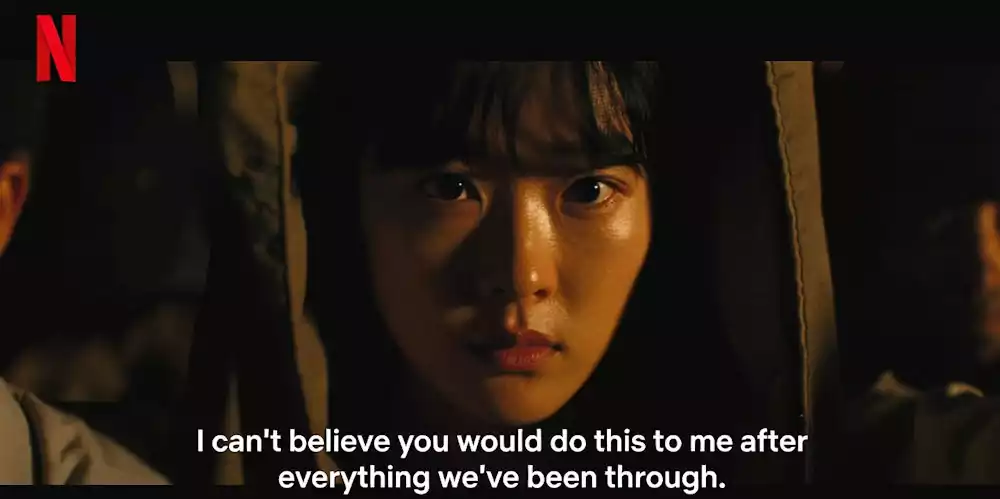
K-Drama Subtitles often prioritize clarity over depth. Translators must deliver meaning within tight time limits. Cultural meanings in K-Drama rely heavily on relationships and context. Without that context, viewers may miss emotional intent. This creates a gap between what is said and what is meant.
2. Common Cultural Meanings in K-Drama Lost in Translation
Many expressions in K-Drama subtitles lose nuance during translation. Korean language reflects hierarchy and social distance. Cultural nuances in K-Drama appear through subtle tone shifts and word choices. A short phrase can carry layered implications. Literal translation often removes these layers.
3. Real Examples of K-Drama Subtitles vs Actual Meaning
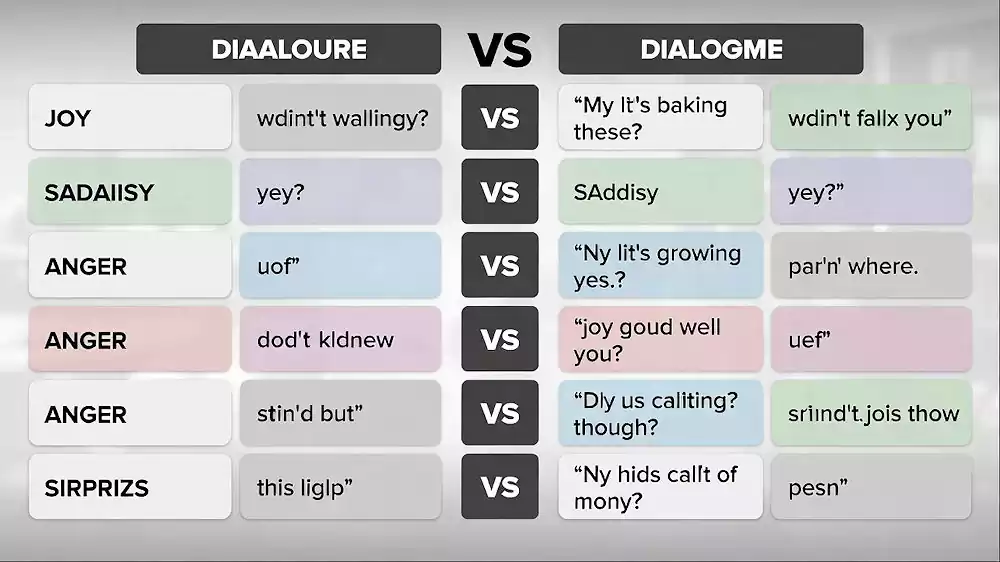
3.1 Honorific Language
In K-Drama Subtitles, formal speech may look neutral. In Korean, it signals respect or emotional distance. Cultural meanings in K-Drama become clearer when you track these patterns.
3.2 Indirect Expressions
Characters often avoid direct statements. Subtitles simplify these lines for readability. However, these meanings are often hidden in indirect speech.
3.3 Emotional Tone Differences
A calm translation can mask strong emotion. K-Drama Subtitles cannot always reflect tone accurately. This leads to different interpretations of the same scene.
4. How to Better Understand K-Drama Subtitles

You can improve your understanding with simple strategies. Focus on how characters address each other. Notice shifts in speech levels and reactions. Rewatch important scenes with context in mind. Over time, K-Drama Subtitles will reveal deeper meaning.
5. Related Topics to Deepen Your Understanding
You can explore Korean honorific systems for deeper insight. You can study emotional expression patterns in dialogue. You can also learn how hierarchy shapes conversations. These areas expand your understanding of cultural meanings in K-Drama. They also support more advanced interpretation.
6. Why Translators Simplify K-Drama Subtitles
Translation requires balancing accuracy and readability. Subtitles must fit timing and screen space limits. Translators often adjust phrases for global audiences. Complex cultural context may confuse new viewers. Simplification helps accessibility but reduces nuance.
7. Cultural Context Every K-Drama Fan Should Know
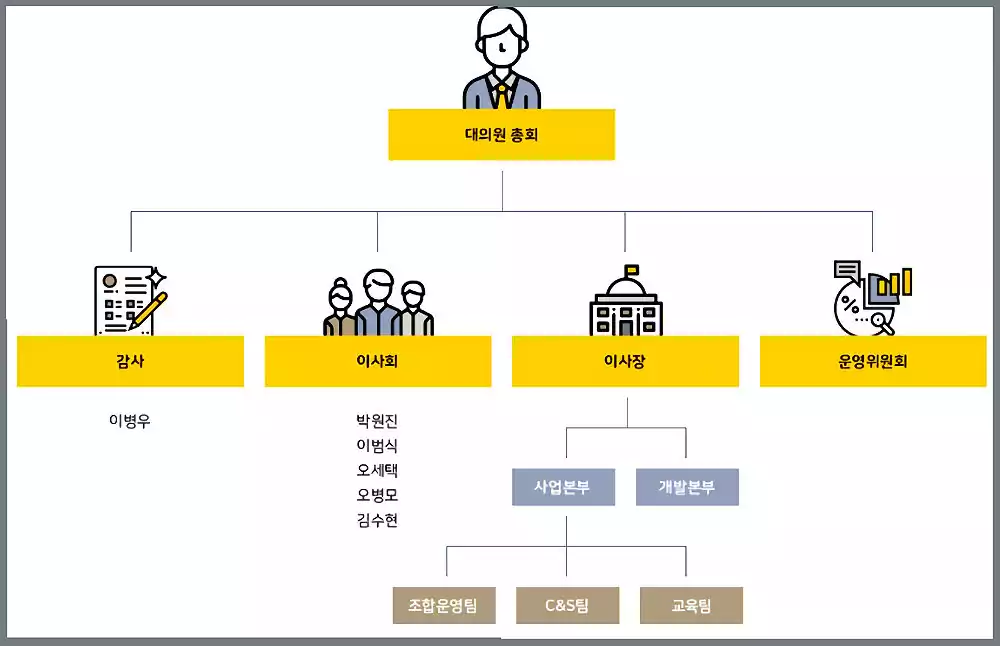
Korean culture emphasizes age and social hierarchy. Speech changes depending on relationships and status. Family roles also influence dialogue and behavior. Understanding these elements reveals cultural meanings in K-Drama more clearly. This knowledge transforms how scenes are perceived.
8. Mistakes International Fans Often Make
Many viewers assume translations are complete. They may overlook tone changes or indirect meaning. Some misunderstand polite language as emotional distance. Others miss tension hidden in silence. If you want to explore another subtle storytelling device often overlooked, you can also read how epilogues add hidden meaning in K-dramas.
9. Conclusion
K-Drama Subtitles open the door to compelling stories, but they only show part of the picture. When you recognize cultural meanings in K-Drama, every scene gains depth and clarity. The more you notice these layers, the more immersive your experience becomes.
If you want to gain a deeper understanding of the cultural background behind these expressions, you can explore Korean culture and language insights.